Manga· 2010· Thriller

今際の国のアリス (Alice in Borderland)

by 麻生羽呂 Haro Aso

今際の国のアリス (Alice in Borderland): 1 recorded work traces back to it, and it draws on 2 recorded sources.

Open on the map

What 今際の国のアリス (Alice in Borderland) influenced

Works that record this one as a source, with the evidence a contributor gave.

今際の国のアリス Alice in Borderland

TV Series · 2020

AdaptationHIGH

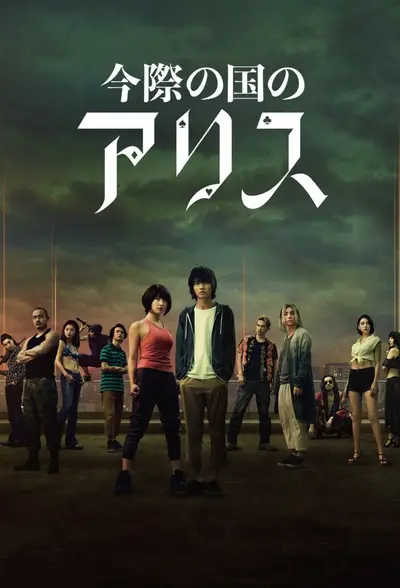
Shinsuke Sato's Netflix series of Haro Aso's manga: an emptied Tokyo, games sorted by playing-card suit, and a visa that runs out if you stop playing. The adaptation is close on structure and reorders the games, front-loading the ones that read on screen. Its real advantage over the page is the setting itself: a deserted Shibuya crossing is a drawing in the manga and a location in the series, and the show is built around being able to stand in it.

What influenced 今際の国のアリス (Alice in Borderland)

The works this one is recorded as drawing on.

Alice in Wonderland

Book · 1865

InfluenceMEDIUM

It is in the title and then in nearly every name. Arisu is Alice; Usagi is rabbit; the games are dealt as playing cards with suits that determine what kind of test they are, which is Carroll's court of cards turned into a system. The displacement is the same one, an ordinary young person dropped into a place governed by arbitrary rules administered with total seriousness, where the only way out is to play.

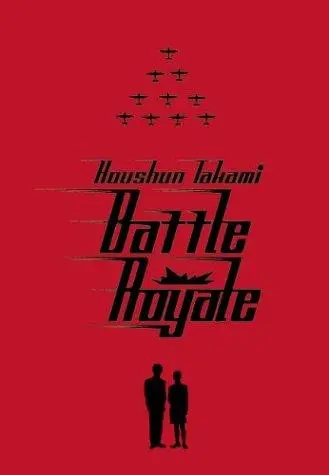
Haro Aso's manga sits inside the Japanese death-game genre that Takami's novel opened to a mass audience in 1999, and the furniture is shared: ordinary young people given rules, a sealed arena, and a countdown that kills whoever fails to comply. What Alice in Borderland adds is the puzzle. Survival turns on solving the game rather than on outlasting the others, and the playing cards classify each trial by type, which moves it toward Kaiji and Liar Game. LOW: a genre debt rather than a stated one, and the more direct parent is the manga tradition rather than Takami's single book.

About the work

今際の国のアリス (Alice in Borderland)

Eighteen-year-old Ryohei Arisu is sick of his life. School sucks, his love life is a joke, and his future feels like impending doom. As he struggles to exist in a world that can’t be bothered with him, Ryohei feels like everything would be better if he were anywhere else. When a strange fireworks show transports him and his friends to a parallel world, Ryohei thinks all his wishes have come true. But this new world isn’t an empty paradise, it’s a vicious game. And the only way to survive is to play. The first game starts with a bang, but Ryohei manages to beat the clock and save his friends. It’s a short-lived victory, however, as they discover that winning only earns them a few days’ grace period. If they want to get home, they’re going to have to start playing a lot harder. Alice in Borderland is a Japanese manga series written and illustrated by Haro Aso. It was first serialized in Shogakukan's shōnen manga magazine Shōnen Sunday S from November 2010 to March 2015, and later moved to Weekly Shōnen Sunday, where it ran from April 2015 to March 2016. Its chapters were collected in 18 tankōbon volumes. Alice in Borderland was adapted into a three-episode original video animation (OVA), released from October 2014 to February 2015.