Book· 1877· Literary

Анна Каренина (Anna Karenina)

by Лев Николаевич Толстой Leo Tolstoy

Анна Каренина (Anna Karenina): 1 recorded work traces back to it, and it draws on 1 recorded source.

Open on the map

What Анна Каренина (Anna Karenina) influenced

Works that record this one as a source, with the evidence a contributor gave.

Anna Karenina

Film · 2012

AdaptationHIGH

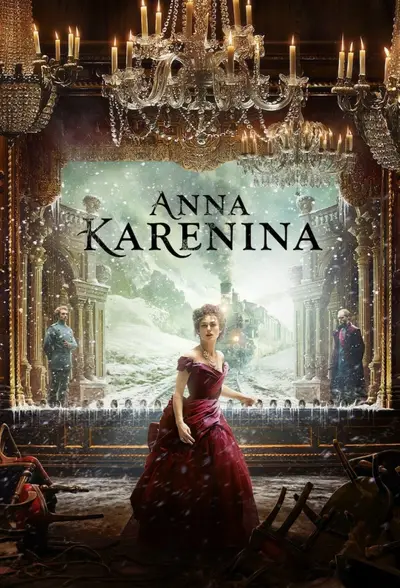
Joe Wright's film is Tolstoy's novel, adapted by Tom Stoppard, and it keeps the double plot the book is built on: Anna and Vronsky set against Levin and Kitty, the affair that destroys a woman beside the marriage that makes a man. The staging is its one large departure. Nearly everything set in Russian society is played inside a decaying theatre, and the scenes that leave it are the scenes on Levin's land. That is an argument about the novel rather than a break from it: society as performance, the countryside as the only place anything is real.
What influenced Анна Каренина (Anna Karenina)

The works this one is recorded as drawing on.

Madame Bovary

Book · 1857

InfluenceMEDIUM

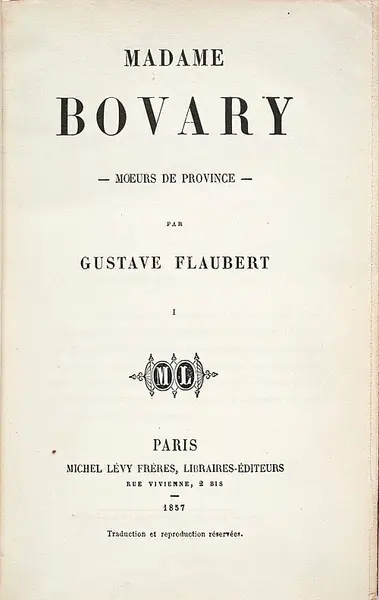
Tolstoy knew Flaubert's novel, and Anna Karenina is the argument with it: a wife, an affair pursued against a society that will forgive the man, and a railway. The difference is the moral frame and it is deliberate. Flaubert refuses to judge Emma or to offer an alternative; Tolstoy sets Anna's ruin against the Levin chapters and makes the novel argue for what she did not have. Filed MEDIUM. They are the canonical pair of the nineteenth-century adultery novel and Tolstoy was working in a form Flaubert defined, but he never named it as a model.

About the work

Анна Каренина (Anna Karenina)

Anna Karenina tells of the doomed love affair between the sensuous and rebellious Anna and the dashing officer, Count Vronsky. Tragedy unfolds as Anna rejects her passionless marriage and thereby exposes herself to the hypocrisies of society. Set against a vast and richly textured canvas of nineteenth-century Russia, the novel's seven major characters create a dynamic imbalance, playing out the contrasts of city and country life and all the variations on love and family happiness. Often considered to be among the greatest works of world literature, Tolstoy himself called it his first true novel. It was initially released in serial installments from 1875 to 1877, all but the last part appearing in the periodical The Russian Messenger. By the time he was finishing up the last installments, Tolstoy was in an anguished state of mind having come to hate it but finished it unwillingly.