AnimationSeries· 1942· Drama

Bambi

by David Hand, James Algar, Samuel Armstrong

Bambi: 1 recorded work traces back to it, and it draws on 1 recorded source.

Open on the map

What Bambi influenced

Works that record this one as a source, with the evidence a contributor gave.

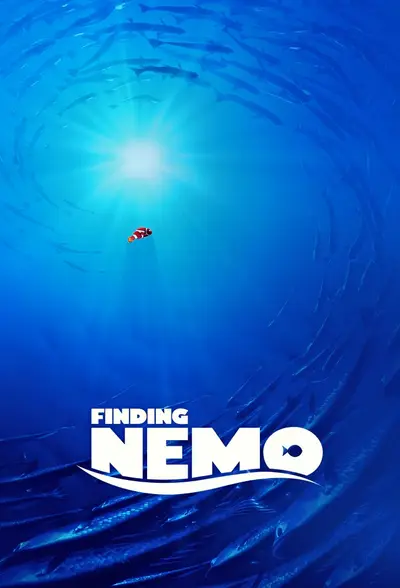
Finding Nemo

Animation · 2003

InfluenceMEDIUM

Bambi established that an animated film for children could open by killing a parent off screen and spend the rest of its running time on what that does to the child. Finding Nemo opens the same way and is unusual in making the SURVIVING parent the protagonist: Marlin's overprotection is the consequence the earlier film left implied. The structural debt is the permission, which every Disney and Pixar film since has used. Filed MEDIUM: a foundational convention rather than a borrowing anyone has stated.

Real-world influences

Events, places, movements and ideas outside fiction that this work is recorded as drawing on.

Nature & Animals

Real world

Real-world influenceHIGH
  • Deer
  • Forest Seasons
  • Animal Anatomy

Disney kept live deer in the studio for the animators to draw. Two fawns, Bambi and Faline, were sent from Maine in 1939 and housed in a pen built on the lot, along with rabbits, skunks and owls. The animators went further than that. Rico LeBrun was brought in to teach animal anatomy and drew deer skeletons and musculature for them; Maurice Day spent months photographing and filming Vermont and Maine woodland through a full year so the backgrounds would carry real seasons; and animators studied slow-motion footage of deer moving. The result is why the film looks unlike anything Disney had made: the animals keep their proportions and their gait instead of being rounded into cartoons, and the forest changes correctly from spring to winter. Everything after it that tries to draw a believable animal is measured against this.

About the work

Bambi

This is a series.

A fawn grows up through four seasons in a forest, learning it from his mother, a rabbit and a skunk, until a gunshot off screen ends his childhood in a single line of dialogue. The animals were studied from live deer kept at the studio, which is why they move like animals rather than people.