Film· 1992· Horror

Bram Stoker's Dracula

by Francis Ford Coppola

Bram Stoker's Dracula: it draws on 2 recorded sources.

Open on the map

What influenced Bram Stoker's Dracula

The works this one is recorded as drawing on.

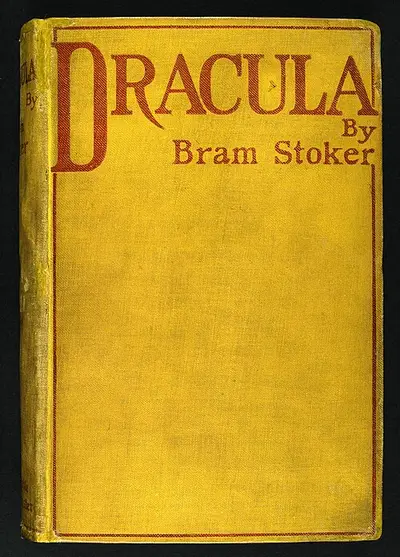
Dracula

Book · 1897

AdaptationHIGH

Coppola's film puts the author's name in the title as a claim of fidelity, and it is the adaptation that restores the novel's epistolary structure: journals, letters, phonograph cylinders and newspaper cuttings, handed between characters who each know only part of it. It also adds the one large thing the novel does not contain, a reincarnated love between Dracula and Mina that reframes him as tragic. The effects were made in camera wherever possible, with forced perspective and reverse filming, which is why the film looks unlike anything made beside it.
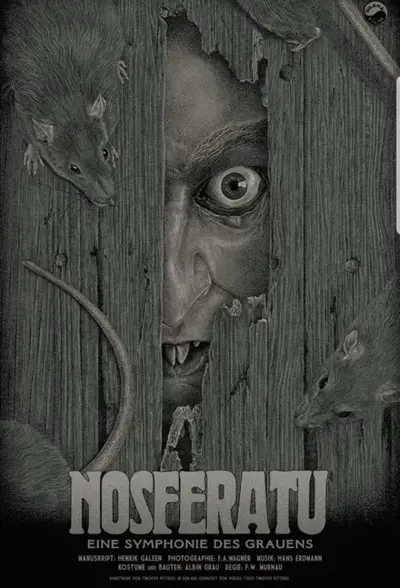
Nosferatu

Film · 1922

InfluenceMEDIUM

Coppola's film quotes the silent cinema its subject came from, and Nosferatu most of all. The shadow that moves independently of the body climbing the stair, the rats, and the coach ride shot in undercranked, jerky motion are Murnau's images reproduced deliberately. The method was a choice about technique as much as homage. Coppola insisted the effects be achieved in camera with the tools available in 1922 wherever possible, including reverse filming and forced perspective, so the film looks handmade rather than composited. The debt is visual and explicit rather than narrative: the story comes from Stoker.

About the work

Bram Stoker's Dracula

Set in 19th-century England and Romania, it follows Count Dracula (Oldman), a vampire who falls in love with Mina Murray (Ryder), the fiancée of his solicitor Jonathan Harker (Reeves). When Dracula wreaks havoc in London, Professor Abraham Van Helsing (Hopkins), an expert in vampirism, is summoned to bring an end to his reign of terror.