TV Series· 2019· Drama

Chernobyl

by Craig Mazin

Chernobyl: it draws on 3 recorded sources.

Open on the map

What influenced Chernobyl

The works this one is recorded as drawing on.

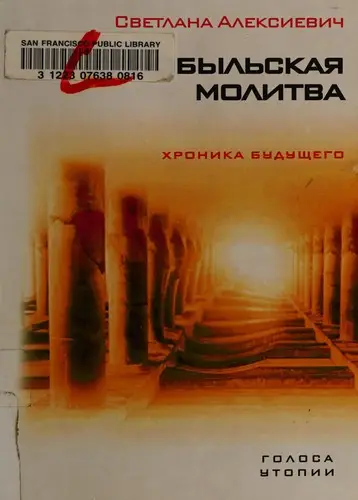
Craig Mazin has named Voices from Chernobyl as the principal source for the series, and it is credited on screen. Alexievich's book is not a history; it is hundreds of first-person accounts collected over ten years, from liquidators, wives, evacuated villagers and children. The series takes its texture and several of its scenes directly from those testimonies rather than from the technical record. The clearest case is the firefighter's wife: her account in the book, of visiting an irradiated husband in a Moscow hospital and what happened to the child, is the spine of the series' most-discussed storyline.

Real-world influences

Events, places, movements and ideas outside fiction that this work is recorded as drawing on.

Politics & Society

Real world

Real-world influenceHIGH
  • Soviet Bureaucracy
  • State Secrecy
  • Official Truth

The disaster is what the series is about; the bureaucracy is what it is arguing with. Craig Mazin has described the theme as the cost of lies, and the series is built so that every technical failure has an administrative one underneath it. What that means concretely:

  • A dosimeter that reads 3.6 roentgen because it is the highest number the instrument goes to, and a chain of managers who repeat the figure upward because it is the answer the system wants
  • A reactor flaw known inside the ministry and classified, so the operators running the test could not have known what they were doing
  • A plant director and a chief engineer whose careers depend on the test succeeding, and a committee that decides what the public is told
  • Legasov's testimony, and what happens to a scientist who says the thing in a courtroom

This is not an event, which is why it sits here rather than under History. It is a way of organising a state, and the series treats it as the actual cause.

History

Real world

Real-world influenceHIGH
  • The Chernobyl Disaster (1986)

The series dramatises the reactor explosion of 26 April 1986 and the eighteen months after it, and stays close enough to the record that its departures are the parts people argue about. From the event: the RBMK design flaw at the heart of the safety test, the graphite on the ground that told Dyatlov what had happened and that he refused to believe, the firefighters who handled it without protection, the liquidators, the evacuation of Pripyat, and the bill in lives that nobody will ever agree on. Ulana Khomyuk is invented, and is the one large liberty: a composite standing in for the scientists who worked on the response.

About the work

Chernobyl

Reactor four explodes and the men in the control room keep insisting it cannot have, because the manual says so. Five episodes follow the firefighters, the miners, the scientists and the committee, and the question is less what caused it than what it costs a state to keep saying the thing that is not true.