Book· 1866· Crime

Преступление и наказание (Crime and Punishment)

by Фёдор Михайлович Достоевский Fyodor Dostoyevsky

Преступление и наказание (Crime and Punishment): 1 recorded work traces back to it.

Open on the map

What Преступление и наказание (Crime and Punishment) influenced

Works that record this one as a source, with the evidence a contributor gave.

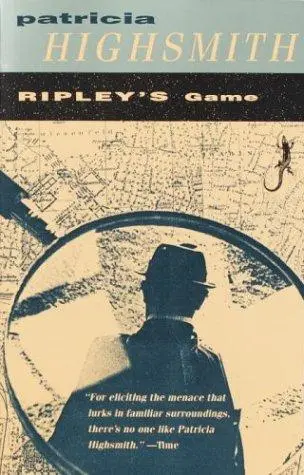
Ripliad

Book · 1955

InfluenceMEDIUM

Highsmith's subject is Dostoevsky's: a young man of no means who decides the ordinary prohibition on killing does not apply to him, told by staying with the murderer instead of with whoever is chasing him. Tom Ripley is Raskolnikov with the conscience removed, and that is the argument. Dostoevsky's case is that the theory collapses under guilt; Highsmith's novels let Ripley prosper across five books, which is what made them notorious and is only legible as a reply. Filed MEDIUM: an inherited question rather than an inherited plot. Highsmith named Dostoevsky among her reading without citing this as a source.

About the work

Преступление и наказание (Crime and Punishment)

Crime and Punishment tells the story of Rodion Raskolnikov, an ex-student who plans to murder a pawnbroker to test his theory of personality. Having accomplished the deed, Raskolnikov struggles with mental anguish while trying to both avoid the consequences and hide his guilt from his friends and family. It is the second of Dostoevsky's full-length novels following his return from ten years of exile in Siberia. Crime and Punishment is considered the first great novel of his mature period of writing and is often cited as one of the greatest works of world literature.