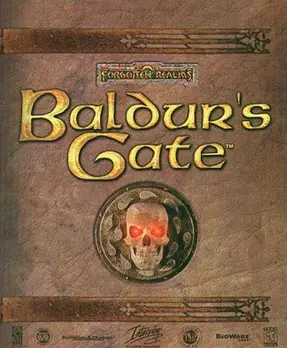
BioWare described Dragon Age: Origins as the spiritual successor to Baldur's Gate while it was in development, and built it to be one after losing access to the Dungeons & Dragons licence. What carried over:
- The party-based real-time-with-pause combat that Baldur's Gate invented, including the tactics system that automates what a player would otherwise pause for
- A recruited party whose members argue with each other and with the player, with approval tracked and romances available
- An origin story chosen at creation that changes how the world greets you, which is the Bhaalspawn premise generalised
- The structure: a central threat, a set of regions that can be tackled in any order, and allies gathered from each
The one deliberate break is the setting, and the reason is ownership rather than a lapsed licence. Greg Zeschuk of BioWare put it plainly: the Baldur's Gate and Dungeons & Dragons property is controlled by Atari and owned by Hasbro, so a direct sequel was never theirs to make. Thedas was built from nothing so that BioWare would own it, which is why this is an influence rather than a continuation.