Film· 2014· Thriller

Gone Girl

by David Fincher

Gone Girl: it draws on 2 recorded sources.

Open on the map

What influenced Gone Girl

The works this one is recorded as drawing on.

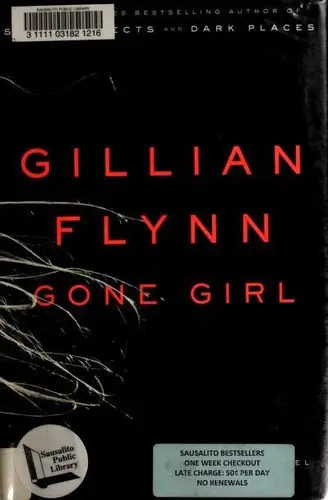
Gone Girl

Book · 2012

AdaptationHIGH

Fincher's film, screenplay by Gillian Flynn adapting her own novel, which is why it keeps the structural trick most adaptations would flatten: the alternating his-and-hers narration, and the mid-book reveal that Amy's diary is a fabrication written to be found. The film reproduces that with voiceover and a hard tonal break at the reveal. The ending is the novel's, not a softened one, which was widely expected to change and did not.
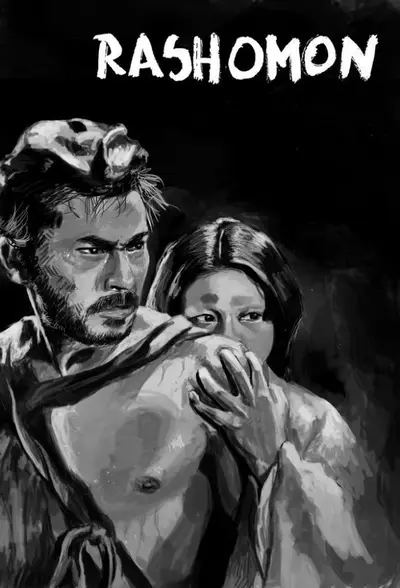
羅生門 Rashomon

Film · 1950

InfluenceMEDIUM

Kurosawa's film put a device into general circulation that had no name before it and has carried his title ever since: the same events recounted by people whose accounts cannot all be true, with no authorial version offered to settle it. Gone Girl runs it as a two-hander. Amy's diary is a complete, coherent and false account of the marriage, set against Nick's; the film withholds the reconciliation for an hour and then reveals that one narrator built hers to be found. Filed MEDIUM, and the honest framing is that this is a technique's descent rather than a film's: Flynn is working in a form Rashomon named, not adapting Kurosawa.

About the work

Gone Girl

The husband of a missing woman becomes the main suspect in her disappearance. Gone Girl is a 2014 American psychological thriller film directed by David Fincher and written by Gillian Flynn, based on her 2012 novel. It stars Ben Affleck, Rosamund Pike, Neil Patrick Harris, Tyler Perry, and Carrie Coon in her film debut. Affleck plays Nick Dunne, a writing teacher who becomes the prime suspect following the disappearance of his wife, Amy (Pike), in Missouri.