Nonfiction· 1929· Nonfiction

Good-Bye to All That

by Robert Graves

Good-Bye to All That: 1 recorded work traces back to it.

Open on the map

What Good-Bye to All That influenced

Works that record this one as a source, with the evidence a contributor gave.

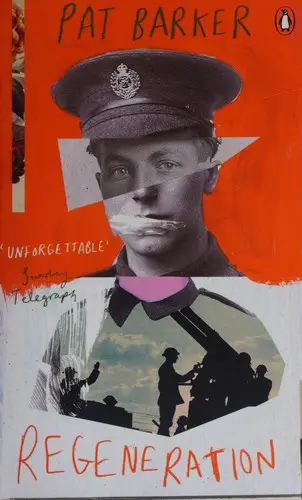
Regeneration

Book · 1991

InfluenceHIGH

Good-Bye to All That is one of the primary sources for Regeneration, and Graves appears in Barker's novel as a character. Barker's subject is Craiglockhart in 1917: Rivers treating Sassoon after the Declaration, with Owen in the same hospital. Graves was the man who intervened to get Sassoon sent there rather than court-martialled, and his memoir is the fullest first-hand account of that intervention and of the friendship it strained. The novel also takes its texture from him. The flatness of tone about atrocity, the officers' slang, the specific detail of how a man behaves in the weeks after being pulled out of the line, are all things Graves put on the record in 1929 and which Barker uses rather than invents.

About the work

Good-Bye to All That

Good-Bye to All That is an autobiography by Robert Graves which first appeared in 1929, when the author was 34 years old. "It was my bitter leave-taking of England," he wrote in a prologue to the revised second edition of 1957, "where I had recently broken a good many conventions". The title may also point to the passing of an old order following the cataclysm of the First World War; the supposed inadequacies of patriotism, the interest of some in atheism, feminism, socialism and pacifism, the changes to traditional married life, and not least the emergence of new styles of literary expression, are all treated in the work, bearing as they did directly on Graves's life. The unsentimental and frequently comic treatment of the banalities and intensities of the life of a British army officer in the First World War gave Graves fame, notoriety and financial security, but the book's subject is also his family history, childhood, schooling and, immediately following the war, early married life; all phases bearing witness to the "particular mode of living and thinking" that constitute a poetic sensibility.