Film· 1960· Drama

Jungfrukällan (The Virgin Spring)

by Ingmar Bergman

Jungfrukällan (The Virgin Spring): it draws on 1 recorded source.

Open on the map

What influenced Jungfrukällan (The Virgin Spring)

The works this one is recorded as drawing on.

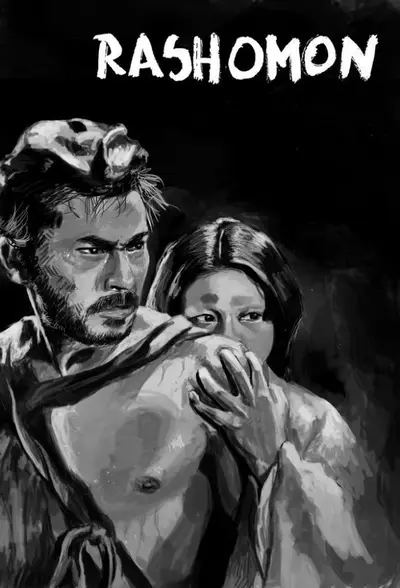
羅生門 Rashomon

Film · 1950

InfluenceMEDIUM

Bergman said it himself and was not flattering about it, calling The Virgin Spring a touch of Kurosawa and an aberration in his own work. What he took is visible in the first minutes: a medieval story told in hard sunlight and deep shadow with the forest as a presence, long silent stretches carried by weather, and an act of violence staged flatly, at a distance, with no music to tell the audience how to feel. Filed MEDIUM, and the wording matters: this is a stated debt of technique on one film, not a lineage. Bergman's source is a medieval Swedish ballad; what Kurosawa gave him was how to shoot it.

About the work

Jungfrukällan (The Virgin Spring)

Set in medieval Sweden, it is a tale about a father's merciless response to the rape and murder of his young daughter. The story was adapted by screenwriter Ulla Isaksson from the 13th-century Swedish ballad "Töres döttrar i Wänge". Bergman researched the legend of Per Töre with an eye to an adaptation, considering an opera before deciding on a film version. Given criticism of the historical accuracy of his 1957 film The Seventh Seal, he also invited Isaksson to write the screenplay. Other influences included the 1950 Japanese film Rashomon. Max von Sydow played Töre.