Film· 1933· Adventure

King Kong

by Merian C. Cooper, Ernest B. Schoedsack

King Kong: 2 recorded works trace back to it.

Open on the map

What King Kong influenced

Works that record this one as a source, with the evidence a contributor gave.

ゴジラ Godzilla

Film · 1954

InfluenceHIGH

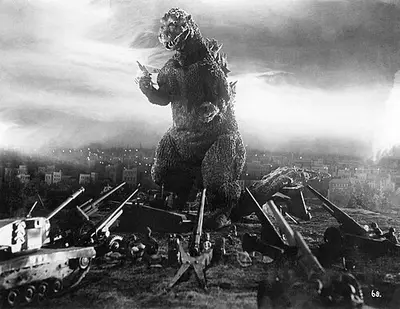
Toho's producers set out to make a Japanese giant-monster film after the success of the 1952 reissue of King Kong, and Godzilla is the result: a creature large enough to destroy a modern city, staged as newsreel-scale catastrophe. The technique diverged immediately and that divergence mattered. Kong is stop-motion animation; Eiji Tsuburaya used a man in a suit on a miniature city, shot at high speed so the destruction moves with the weight of something enormous. That method is what suitmation means, and it came out of trying to do King Kong on a Japanese studio's schedule. The subject is Toho's own: the bomb, the tests, and the fallout.
Kong: Skull Island

Film · 2017

InfluenceMEDIUM

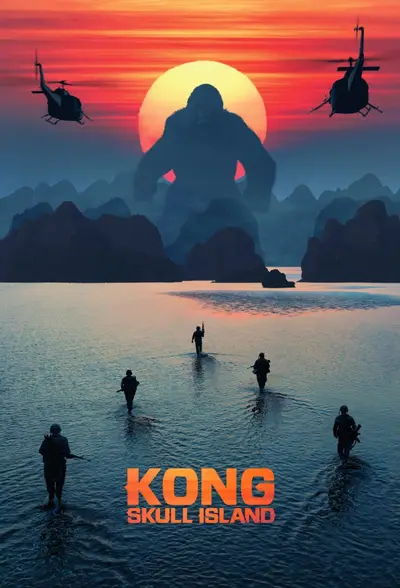
Skull Island takes Kong and his island from the 1933 film: an expedition reaches an uncharted island and finds a giant ape that the islanders treat as a god and a protector. It tells a new story around them rather than remaking the old one. It is set in 1973 at the end of the Vietnam War, Kong is never taken to New York and is not killed, and the film opens the continuity that carries on into Godzilla vs. Kong. Recorded as influence rather than remake for that reason: the character and the island survive, the plot does not.

About the work

King Kong

A film crew sails to an uncharted island to shoot on location and finds a wall, a sacrifice, and behind it an ape the size of a building who takes an interest in their leading lady. They bring him back to New York in chains and put him on a stage. Willis O'Brien's stop motion set the terms for creature effects for forty years.