Opera· 1896· Tragedy

La Bohème

by Giacomo Puccini

La Bohème: 2 recorded works trace back to it, and it draws on 1 recorded source.

Open on the map

What La Bohème influenced

Works that record this one as a source, with the evidence a contributor gave.

Moulin Rouge!

Film · 2001

InfluenceHIGH
  • The core tragic love-story structure is heavily echoed: young writer + vulnerable woman + love + illness + separation + death.
  • The bohemian community of artists, writers, poverty, and romanticized Parisian artistic life carries over.
  • Christian/Rodolfo and Satine/Mimì have clear parallels, particularly Christian as the young writer and Satine as the dying beloved.
  • Luhrmann borrows the heightened melodrama, theatricality, emotional excess, and operatic sensibility.
  • Love, poverty, illness, sacrifice, youth, artistic life, and death are central to both.

Moulin Rouge! takes the operatic romantic tragedy model and transforms it into a modern pop musical.

What influenced La Bohème

The works this one is recorded as drawing on.

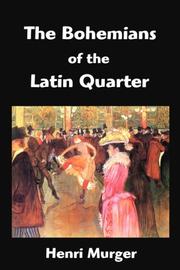
La bohème is an adaptation of Murger's work, but it is quite a loose one. Puccini and his librettists took the characters, setting, individual episodes, and general bohemian world from Scènes de la vie de bohème, then reorganized them into a much tighter tragic love story. Murger has several different romantic relationships and characters. Puccini's librettists Luigi Illica and Giuseppe Giacosa took those scattered episodes and concentrated them around Rodolfo and Mimì.

About the work

La Bohème

La bohème is about a group of young, struggling artists living a bohemian life in 19th-century Paris. The story centers on Rodolfo, a poor poet, and Mimì, a seamstress, who fall deeply in love after meeting on Christmas Eve. Their relationship is passionate but complicated by poverty, jealousy, and Mimì's worsening tuberculosis.