Book· 1963· Science Fiction

La Planète des singes (Planet of the Apes)

by Pierre Boulle

La Planète des singes (Planet of the Apes): 2 recorded works trace back to it.

Open on the map

What La Planète des singes (Planet of the Apes) influenced

Works that record this one as a source, with the evidence a contributor gave.

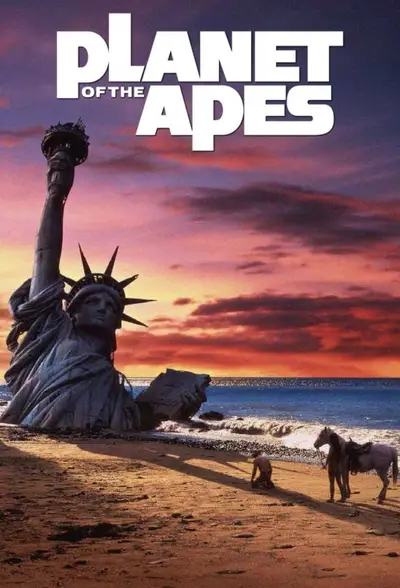
Planet of the Apes

Film · 1968

AdaptationHIGH

Schaffner's film of Pierre Boulle's novel, screenplay by Michael Wilson and Rod Serling. Boulle's apes have a modern technological civilisation with cars, aircraft and laboratories; the film's are made primitive and pre-industrial, largely for budget, and that constraint produced the look the whole franchise is built on. The Statue of Liberty is Serling's and is not in the book. Boulle's twist is different and quieter: the narrator returns to Earth to be met by an ape. One ending made the film famous; the other is the one that was written.

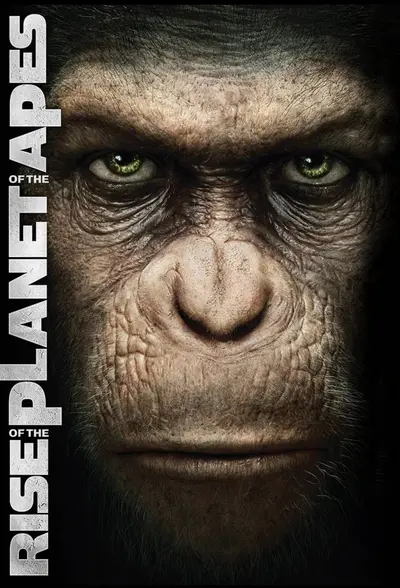
Planet of the Apes (Reboot)

Film · 2011

InfluenceHIGH

The reboot cycle (Rise, Dawn, War and Kingdom of the Planet of the Apes) keeps Boulle's premise, apes replacing humans as the dominant species, and replaces his mechanism. Boulle sends a human traveller to a world where the reversal has already happened. The reboot shows it happening on Earth: a drug tested on chimpanzees raises Caesar's intelligence, and a virus from the same research devastates the human population. Recorded as influence rather than adaptation for that reason: the title and the premise survive, the story does not.

About the work

La Planète des singes (Planet of the Apes)

"I am confiding this manuscript to space, not with the intention of saving myself, but to help, perhaps, to avert the appalling scourge that is menacing the human race. Lord have pity on us!" With these words, Pierre Boulle hurtles the reader onto the Planet of the Apes. In this simian world, civilization is turned upside down: apes are men and men are apes; apes rule and men run wild; apes think, speak, produce, wear clothes, and men are speechless, naked, exhibited at fairs, used for biological research. On the planet of the apes, man, having reached to apotheosis of his genius, has become inert. To this planet come a journalist and a scientist. The scientist is put into a zoo, the journalist into a laboratory. Only the journalist retains the spiritual strength and creative intelligence to try to save himself, to fight the appalling scourge, to remain a man. Out of this situation, Pierre Boulle has woven a tale as harrowing, bizarre, and meaningful as any in the brilliant roster of this master storyteller. With his customary wit, irony, and disciplined intellect and style, the author of The Bridge Over the River Kwai tells a swiftly moving story dealing with man's conflicts, and takes the reader into a suspenseful and strangely fascinating orbit. La Planète des singes, published in English as Planet of the Apes in the U.S. and Monkey Planet in the UK, is a 1963 science fiction novel by French author Pierre Boulle. It was adapted into the 1968 film Planet of the Apes, launching the Planet of the Apes media franchise.