BookSeries· 1824· Historical

Leatherstocking Tales (2)

by James Fenimore Cooper

Leatherstocking Tales (2): 2 recorded works trace back to it, and it draws on 1 recorded source.

Open on the map

What Leatherstocking Tales (2) influenced

Works that record this one as a source, with the evidence a contributor gave.

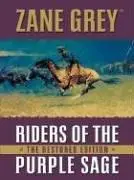
Riders of the Purple Sage

Book · 1912

InfluenceHIGH

Cooper's Leatherstocking novels are the origin of the American frontier romance and of the figure every later western is built on: the white man raised at the edge of two cultures, more at home in the wilderness than in the settlement, who makes the settlement possible and has no place in it once it exists. Natty Bumppo goes by five names across five books and is skilled, solitary, morally certain and doomed to be displaced by what he protects. That is Shane, that is Hondo, and in Grey it is Lassiter. The other inheritance is the landscape. Cooper's forests are described at a length that has nothing to do with plot and everything to do with asserting that the continent is a subject; Grey does the same thing with the Utah canyon country, which is the part of Riders of the Purple Sage that readers remember.
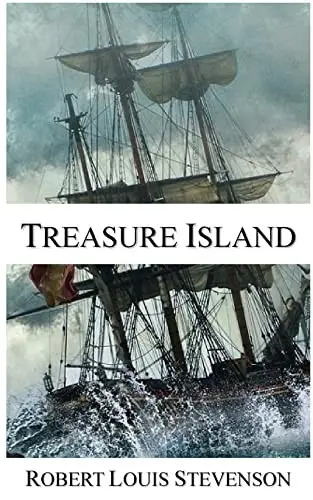
Treasure Island

Book · 1883

InfluenceLOW

Stevenson names his models in the verse preface to Treasure Island, "To the Hesitating Purchaser": "Kingston, or Ballantyne the brave, / Or Cooper of the wood and wave". The wood is the Leatherstocking frontier. It places the book in the tradition of boys' adventure Cooper founded, rather than claiming a debt to any one plot, so LOW.

What influenced Leatherstocking Tales (2)

The works this one is recorded as drawing on.

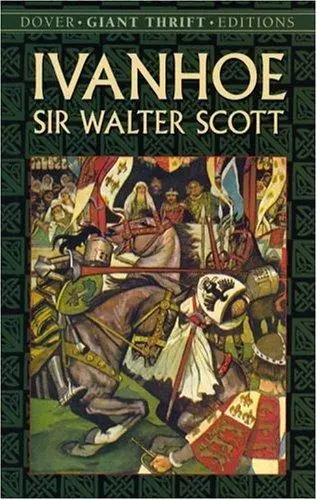
Waverley Novels

Book · 1819

InfluenceHIGH

Waverley invented the historical novel as a commercial form in 1814, and Cooper is the most direct of its inheritors: he was called the American Scott in his own lifetime and did not object to it. The borrowed machinery is specific. A young man of the settled world is taken into an older one and has to learn it; the older culture is rendered with sympathy and is shown to be finished; history is carried by invented minor characters while the famous figures pass through; and the landscape is described at a length that asserts the place is a subject in its own right. Scott's Highlanders after the 'Forty-five and Cooper's Delaware in the Seven Years' War occupy the same structural position, and both writers were criticised in the same terms for it.

About the work

Leatherstocking Tales (2)

This is a series.

The Last of the Mohicans is set in 1757, during the French and Indian War, when France and Great Britain battled for control of North America. During this war, both the French and the British used Native American allies, but the French were particularly dependent on Indigenous forces since they were outnumbered in the Northeast frontier areas by the British. Specifically, the events of the novel are set immediately before, during, and after the Siege of Fort William Henry.

Everything in Leatherstocking Tales (2)