Film· 1964· Musical

Les Parapluies de Cherbourg (The Umbrellas of Cherbourg)

by Jacques Demy

Les Parapluies de Cherbourg (The Umbrellas of Cherbourg): 1 recorded work traces back to it.

Open on the map

What Les Parapluies de Cherbourg (The Umbrellas of Cherbourg) influenced

Works that record this one as a source, with the evidence a contributor gave.

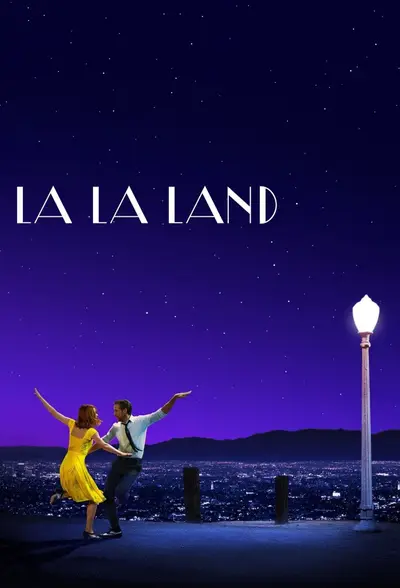
La La Land

Film · 2016

InfluenceHIGH

Damien Chazelle has named The Umbrellas of Cherbourg as the model more often than any other film, and said the ending of his was written to earn the ending of Demy's. What comes across:

  • The saturated block colour, with sets and costumes keyed to each other so a scene reads as one palette
  • Two people in an ordinary city, filmed in long unbroken takes that let a song run over a whole location
  • A recurring theme that returns transposed as the relationship changes, rather than a catalogue of separate numbers
  • The ending: they meet years later, both settled with other people, and the film refuses to give them the reunion the genre is built to deliver. Demy plays it at a petrol station in the snow; Chazelle plays it in a jazz club, and lets his characters watch the version of their life that did not happen

Filed HIGH because the last point is not a borrowing of style. It is the argument of Demy's film, taken up whole.

About the work

Les Parapluies de Cherbourg (The Umbrellas of Cherbourg)

Catherine Deneuve and Nino Castelnuovo star as two young lovers in the French city of Cherbourg, separated by circumstance. The film's dialogue is entirely sung as recitative, including casual conversation, and is sung-through like some operas and stage musicals. It has been seen as the second of an informal tetralogy of Demy films that share some of the same actors, characters, and overall atmosphere of romantic melancholy, coming after Lola (1961) and before The Young Girls of Rochefort (1967) and Model Shop (1969). The French-language film was a co-production between France and West Germany.