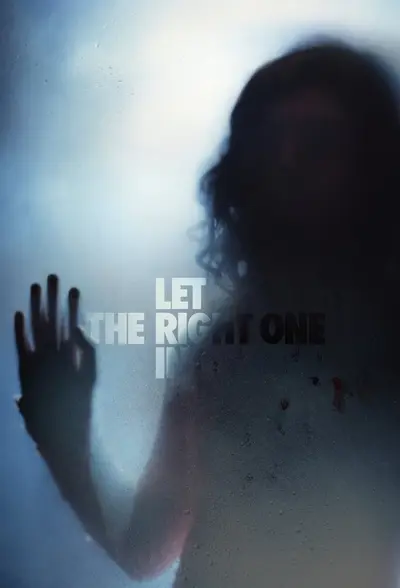
Book· 2004· Horror

Låt den rätte komma in (Let the Right One In)

by John Ajvide Lindqvist

Låt den rätte komma in (Let the Right One In): 1 recorded work traces back to it, and it draws on 1 recorded source.

Open on the map

What Låt den rätte komma in (Let the Right One In) influenced

Works that record this one as a source, with the evidence a contributor gave.

Ajvide Lindqvist adapted his own novel, writing the screenplay for Alfredson's film, which is about as direct as an adaptation gets. The film keeps the 1981 Blackeberg setting, the two children, Håkan's errands and the swimming pool ending. What it leaves out is most of the novel's second half: Håkan's paedophilia is far more explicit on the page, and Eli's backstory and mutilation are only glanced at on screen. The film is the same story told with almost everything unexplained, which is why the two are worth holding as separate nodes rather than one.
What influenced Låt den rätte komma in (Let the Right One In)

The works this one is recorded as drawing on.

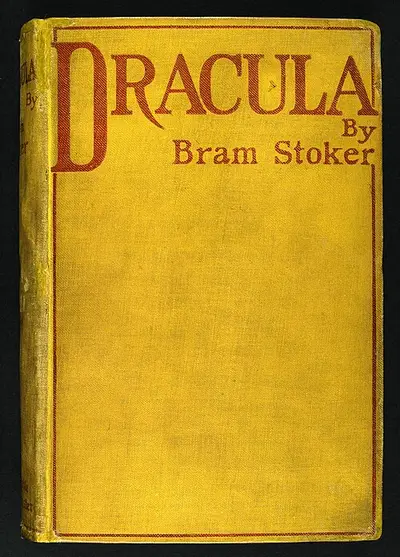
Dracula

Book · 1897

InfluenceMEDIUM

Stoker codified the rules this novel obeys and then inverts, and between two NOVELS the claim is checkable in a way it never was between Stoker and a Swedish film:

  • A vampire cannot cross a threshold uninvited, which supplies the book its title and its most famous scene
  • It needs a living helper for daylight business, which is Renfield's function and Håkan's
  • Blood is fed on rather than drunk socially, and the feeding is staged as violence rather than seduction

What Ajvide Lindqvist changes is the register. Stoker's count is an aristocratic invader of a confident empire; Eli is a child in a 1981 Stockholm housing estate, and the horror is domestic, cold and largely about loneliness. Filed MEDIUM: the debt is to the tradition Stoker fixed rather than to a stated reading

About the work

Låt den rätte komma in (Let the Right One In)

The story centers on the relationship between a 12-year-old boy, Oskar, and a centuries-old vampire child, Eli. It takes place in Blackeberg, a working-class suburb of Stockholm, in the early 1980s. The book grapples with the darker side of humanity, including such issues as existential anxiety, social isolation, fatherlessness, divorce, alcoholism, school bullying, paedophilia, genital mutilation, self-mutilation, and murder.