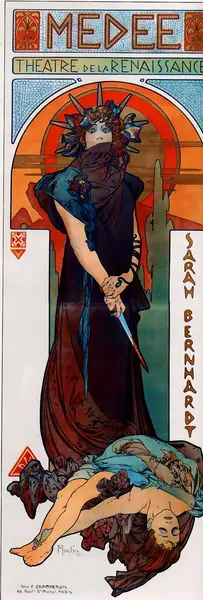
Play· 55· Drama

Medea

by Seneca

Medea: it draws on 1 recorded source.

Open on the map

What influenced Medea

The works this one is recorded as drawing on.

Μήδεια Medea

Play · -431

AdaptationHIGH

Seneca's Medea is a Roman rewriting of Euripides' play, the same story with the same title, and the Greek version is the one every later Medea descends from. The plot is unchanged: Jason abandons Medea for a royal marriage, she destroys the bride and then kills their children. What Seneca changes is the register. Euripides gives Medea long arguments with a chorus that is asked to judge her; Seneca gives her rhetoric, incantation and violence described in detail, and has the children killed on stage rather than reported from off it. The Roman version is the one Renaissance Europe read first, which is how the Greek play reached later drama.

About the work

Medea

It is generally considered to be the strongest of his earlier plays. It was written around 50 CE. The play is about the vengeance of Medea against her betraying husband Jason and King Creon. The leading role, Medea, delivers over half of the play's lines. Medea addresses many themes, one being that the title character represents "payment" for humans' transgression of natural laws. She was sent by the gods to punish Jason for his sins. Another theme is her powerful voice that cannot be silenced, not even by King Creon.