Nonfiction· 1946· Nonfiction

Śmierć miasta (The Pianist)

by Władysław Szpilman

Śmierć miasta (The Pianist): 1 recorded work traces back to it.

Open on the map

What Śmierć miasta (The Pianist) influenced

Works that record this one as a source, with the evidence a contributor gave.

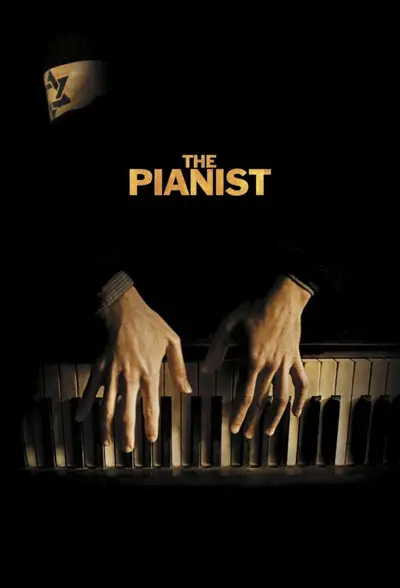
The Pianist

Film · 2002

AdaptationHIGH

Polanski's film of Władysław Szpilman's memoir, written in 1945 and published in 1946, then suppressed for decades and reissued in 1998. Polanski turned down Schindler's List and made this instead, and the reason is the adaptation's centre: he survived the Kraków ghetto as a child and wanted a film from inside the experience rather than about a rescuer. That is why the film refuses almost every consolation, and why Hosenfeld, the German officer who feeds Szpilman, is given no speech explaining himself. Palme d'Or, and Oscars for Polanski, Brody and the screenplay.

About the work

Śmierć miasta (The Pianist)

The Pianist, originally published as Śmierć Miasta. Pamiętniki Władysława Szpilmana 1939–1945, is a 1946 memoir by the Polish-Jewish pianist and composer Władysław Szpilman, in which he describes his life in Warsaw in occupied Poland during World War II. After being forced with his family to live in the Warsaw Ghetto, Szpilman manages to avoid deportation to the Treblinka extermination camp, and from his hiding places around the city witnesses the Warsaw Ghetto Uprising in 1943, as well as the Warsaw Uprising the following year. He survives in the ruined city with the help of friends and strangers, including Wilm Hosenfeld, a German army captain who admires his piano playing.