Nonfiction· -90· Historical

史記 (Records of the Grand Historian)

by 司馬遷 Sima Qian

史記 (Records of the Grand Historian): 2 recorded works trace back to it.

Open on the map

What 史記 (Records of the Grand Historian) influenced

Works that record this one as a source, with the evidence a contributor gave.

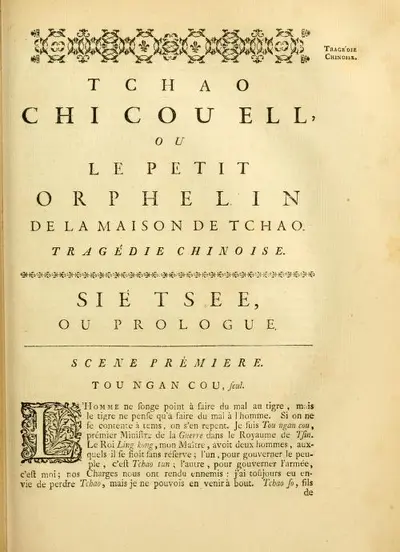
趙氏孤兒 The Orphan of Zhao

Play · 1300

InfluenceHIGH

The story of the Zhao orphan, the massacre of the Zhao clan and the retainers who give their lives to save its last child, is told in Sima Qian's Records of the Grand Historian, in the account of the house of Zhao. Ji Junxiang's Yuan drama is built on it.

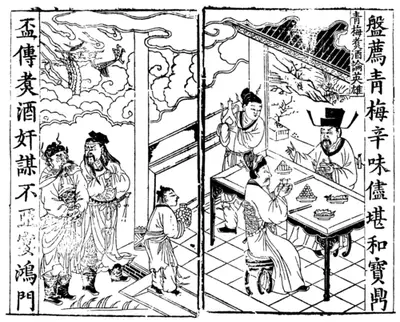
Sima Qian invented the form Chinese historical fiction has used ever since: history told as a series of lives, each a self-contained biography with speeches, private scenes and a judgement at the end, rather than as a single chronicle. The Three Kingdoms is built that way. It moves between figures, gives each an arc and a characteristic virtue or vice, and treats invented dialogue and reported thought as legitimate parts of a historical account, which is exactly what the Records had licensed. Its immediate source is Chen Shou's Records of the Three Kingdoms; the reason a novel could be made out of a history at all is Sima Qian's method.
About the work

史記 (Records of the Grand Historian)

The Shiji, also known as Records of the Grand Historian or The Grand Scribe's Records, is a Chinese historical text that is the first of the Twenty-Four Histories of imperial China. It was written during the late 2nd and early 1st centuries BC by the early Han dynasty historian Sima Qian, building upon work begun by his father Sima Tan. The work covers a 2,500-year period from the age of the legendary Yellow Emperor to the reign of Emperor Wu of Han in the author's own time, and describes the world as it was known to the Chinese of the Western Han dynasty.