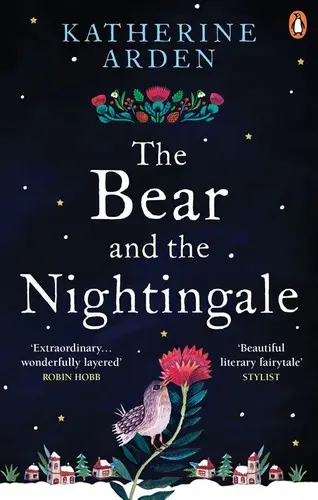
Katherine Arden studied Russian, lived in Moscow and read the tales in the original. The trilogy is built out of them rather than decorated with them. Morozko, the frost demon of the tale in which a stepmother sends her stepdaughter into the winter forest to die, is the figure the first book is named for (The Bear and the Nightingale) and the one Vasya bargains with. Afanasyev printed that tale, and this is the collection it is printed in, so the claim can name a text rather than a tradition. The household spirits are the real inventory of Russian domestic belief, and Arden uses the whole set: the domovoi behind the stove, the bannik in the bathhouse, the dvorovoi in the yard, the rusalka in the water. The historical frame is the argument: fourteenth-century Rus as Christianity displaces the old practices, and spirits that weaken as people stop leaving food out for them.