Short Story· 1956· Science Fiction

The Minority Report

by Philip K. Dick

The Minority Report: 1 recorded work traces back to it.

Open on the map

What The Minority Report influenced

Works that record this one as a source, with the evidence a contributor gave.

Minority Report

Film · 2002

AdaptationMEDIUM

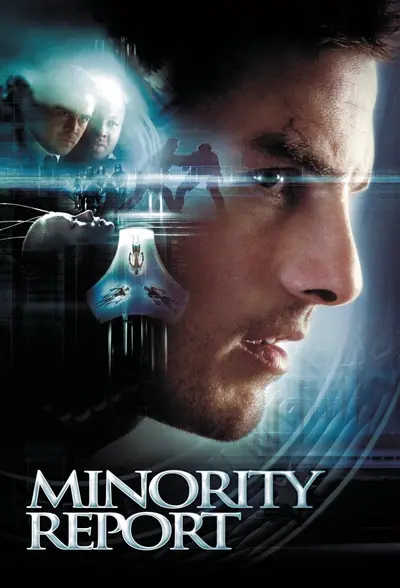
Spielberg's film is adapted from Dick's 1956 novella, and the premise is taken whole: a Precrime division arrests people for murders they have not yet committed, on the word of three precognitives, and the officer who runs it is named by his own system. What the film keeps: the three precogs and the machinery of consensus, the minority report itself (the dissenting vision that proves the future is not fixed), and Anderton as both the believer in the system and its accused. What it changes, which is why this is filed MEDIUM rather than HIGH: Dick's Anderton is an ageing bureaucrat defending his agency against a successor, and the novella's ending has him accept the frame to keep Precrime alive. The film makes him young, grieving and pursued, and ends by dismantling it. The mechanism is Dick's, the arc is the film's.

About the work

The Minority Report

In a future society, three mutants foresee all crime before it occurs. Plugged into a great machine, these "precogs" allow a division of the police called Precrime to arrest suspects before they can commit any actual crimes. When the head of Precrime, John Anderton, is himself predicted to murder a man whom he has never heard of, Anderton is convinced a great conspiracy is afoot. "The Minority Report" is a 1956 science fiction novelette by American writer Philip K. Dick, first published in Fantastic Universe.