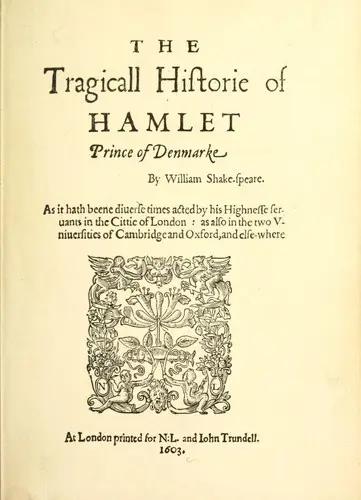
Seneca's tragedies were translated into English in 1581 and were the model the Elizabethan revenge play was built on, and Thyestes is the bloodiest of them: a ghost driven on stage to demand vengeance, a hero who deliberates at length before acting, and a revenge accomplished at a feast. Every one of those is in Hamlet. The ghost with a grievance, the soliloquy as the place where the action stalls, the corrupted court, and the massacre at the end are Senecan furniture, reaching Shakespeare through Kyd as well as directly from a text he had read at school. What Shakespeare adds is a revenger who doubts the ghost.