Comic· 1986· Science Fiction

Watchmen

by Alan Moore, Dave Gibbons

Watchmen: 2 recorded works trace back to it.

Open on the map

What Watchmen influenced

Works that record this one as a source, with the evidence a contributor gave.

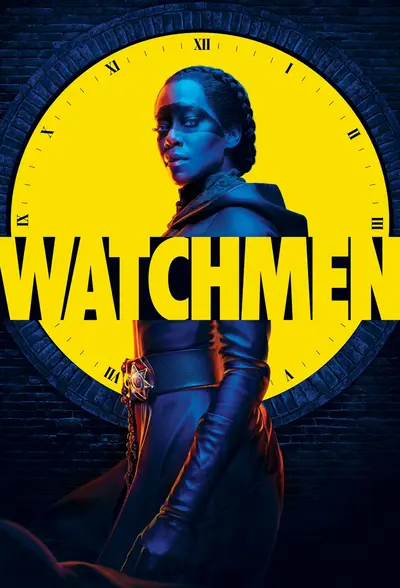
Watchmen

TV Series · 2019

InfluenceHIGH

The series is a sequel to the comic, set thirty-four years later in the same continuity, and Damon Lindelof described it as a remix rather than an adaptation: nothing in the 1986 book is retold, and everything in it is treated as having happened. Carried forward as fact:

  • The squid, and Veidt's hoax, with the world still living inside the peace it bought
  • Doctor Manhattan on Mars, Laurie as a federal agent, Veidt alive and missing
  • The alternate history: Nixon's terms, the lost war, and the consequences of masks having been outlawed
  • Rorschach's journal, published, and the movement that grew up around it, which is the show's actual subject

Filed HIGH. The series is unwatchable without the book, and its central argument, that Rorschach's readers became the thing he was, is a reply to the comic rather than a use of it.
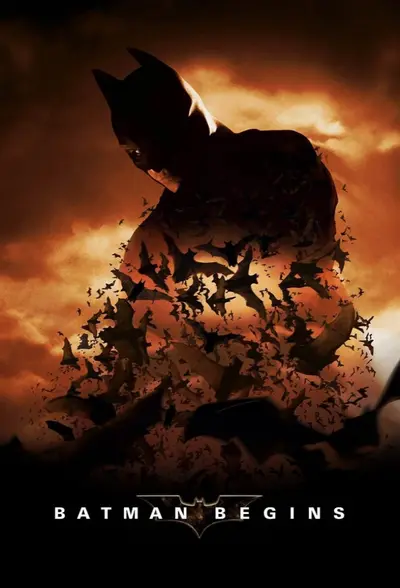
The Dark Knight Trilogy

Film · 2005

InfluenceMEDIUM

Nolan's trilogy is the first mainstream superhero cinema built on the premises Watchmen put into comics twenty years earlier: that a costumed vigilante is a political fact with consequences, that a city would react to him, and that the villain may be the one arguing coherently. The Dark Knight's ending is the Watchmen ending. A mass deception is chosen over the truth because the truth would undo the peace, and the film leaves the audience to decide whether that was right. Ozymandias and Gordon make the same bargain. Filed MEDIUM, and the limit stated: Nolan has cited Year One and The Long Halloween rather than Watchmen.

About the work

Watchmen

Set in the Watchmen universe.

Alan Moore, the master storyteller behind V for Vendetta, and Dave Gibbons, a brilliant draftsman, have long been revered by comic book fans as the creators of Watchmen, a groundbreaking graphic novel that subverts the superhero genre as easily as a toddler upends a house of cards. Rather than focusing on superhuman abilities, Moore instead zeroes in on the humanity of his characters and leavens what is essentially a murder mystery with enough social commentary and political intrigue to fill a shelf of graphic novels several times over. Gibbons, too, in his detailed yet understated style, conveys a wealth of emotions that easily rival any Oscar-winning performance. Factoring in added treats like excerpts from Moore s original working script (complete with highlighted notes), character studies, page thumbnails, and cover sketches taken directly from Gibbons s sketchbook, this deluxe 20th anniversary edition is simply a must-have. Watchmen originated from a story proposal Moore submitted to DC featuring superhero characters that the company had acquired from Charlton Comics. As Moore's proposed story would have left many of the characters unusable for future stories, managing editor Dick Giordano convinced Moore to create original characters instead.

Elsewhere in the Watchmen universe