InfluenceMEDIUM
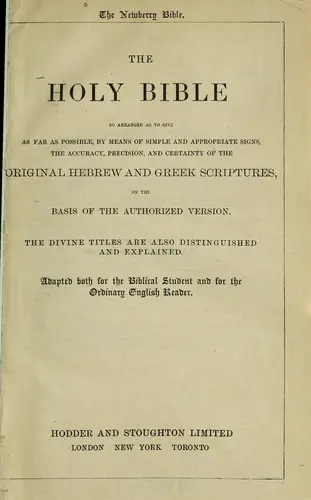
Bible (Holy Bible) influenced The Lord of the Rings
Added by · 3 August 2026
The evidence
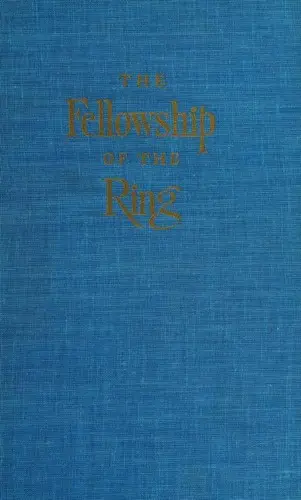
In the foreword to the second edition of The Lord of the Rings, Tolkien wrote: "The Lord of the Rings is of course a fundamentally religious and Catholic work; unconsciously so at first, but consciously in the revision. Biblical influences:
- The struggle between good and evil: Like the Bible, the story centers on a moral conflict between good and evil, with evil portrayed as corrupting rather than creative.
- The Fall: The corrupting power of the One Ring resembles the biblical idea of temptation and humanity's fall into sin.
- Humility over power: Ordinary, humble hobbits succeed where the mighty often fail, echoing biblical themes that God works through the lowly.
- Providence: Characters frequently speak of events being "meant" to happen, suggesting a guiding providence similar to divine providence in Christianity.
- Mercy and forgiveness: Bilbo's and Frodo's mercy toward Gollum ultimately proves crucial, reflecting biblical teachings on mercy and grace.
- Sacrifice and resurrection: Gandalf dies confronting the Balrog and returns transformed as Gandalf the White, a scene often compared to resurrection, though Tolkien denied Gandalf was simply a Christ figure.
Discussion
Support it, question it, or add a source. Everything here is public and stays with the connection.