Scripture· 400· Religious

Bible (Holy Bible)

Bible (Holy Bible): 12 recorded works trace back to it.

Open on the map

What Bible (Holy Bible) influenced

Works that record this one as a source, with the evidence a contributor gave.

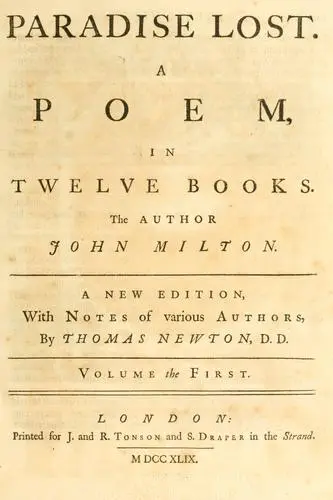
Paradise Lost

Poetry · 1667

InfluenceHIGH
  • Paradise Lost is primarily based on the biblical accounts of creation, the Fall of Man, and humanity's first disobedience.
  • Its main source is the Book of Genesis, particularly the stories of Adam and Eve, the Garden of Eden, the Tree of Knowledge, and the temptation by the serpent.
  • Milton expands the brief biblical narrative by imagining events the Bible does not describe in detail, such as Satan's thoughts, the war in Heaven, and conversations between angels.
  • The character of Satan is inspired by biblical references to the devil found throughout Scripture, especially in books such as Book of Isaiah, Book of Ezekiel (as traditionally interpreted), and the Book of Revelation.
  • The poem draws on the New Testament's teachings about sin, temptation, redemption, and humanity's need for salvation through Christ.
  • God, the Son, Adam, Eve, the angels, and Satan are all biblical figures whose roles Milton develops into fully realized literary characters.

Milton uses biblical themes of free will, obedience, justice, forgiveness, and the consequences of pride to explore why evil exists and why humanity suffers.

  • Rather than changing the Bible's central message, Milton sought to dramatize and explain it, famously stating that his purpose was to "justify the ways of God to men."
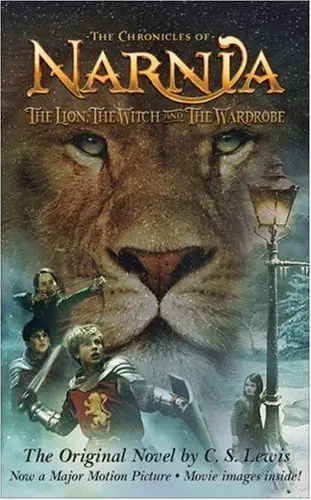
The Chronicles Of Narnia

Book · 1950

InfluenceHIGH

C. S. Lewis described the series as imagining how Christian ideas might appear in a different world rather than as a strict allegory. Factually, the Bible influenced Narnia in these ways: Thematic Influence (strongest): The series explores biblical themes such as creation, sacrifice, redemption, resurrection, temptation, forgiveness, judgment, and eternal life. Character Influence: Aslan is a fictional counterpart to Jesus Christ in the world of Narnia. His sacrificial death and resurrection in The Lion, the Witch and the Wardrobe parallel the crucifixion and resurrection of Christ. Narrative Influence: Several major storylines parallel biblical events. For example: The Magician's Nephew includes a creation story inspired by Genesis. The Last Battle draws on the Book of Revelation, depicting the end of Narnia, final judgment, and a new, perfect world. Worldbuilding Influence: Narnia has a moral order established by Aslan, reflecting the biblical concept of a universe created and governed by God. Foundational Influence: Christian theology forms the philosophical foundation of the series. Lewis stated that the books began with images rather than a plan to retell the Bible, but Christian belief shaped the world and its stories throughout.

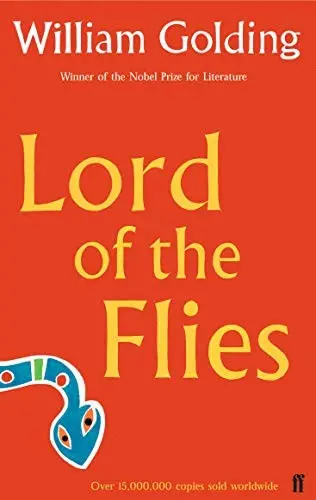
Lord of the Flies

Book · 1954

InfluenceHIGH

Golding frequently drew on Christian ideas and bible stories about human nature and original sin.

  • The title "Lord of the Flies" is a translation of Beelzebub, a biblical name associated with Satan. (From Hebrew)
  • Explores the doctrine of original sin: the idea that evil is inherent in humanity rather than imposed by society.
  • Simon functions as a Christ-like figure: compassionate, solitary, spiritually perceptive, and ultimately killed by those he tries to save.
  • Simon's encounter with the Lord of the Flies resembles a temptation or demonic revelation, revealing that evil comes from within human beings.
  • The island echoes the Garden of Eden, transforming from an apparent paradise into a place corrupted by human sin.
  • The "beast" symbolizes the inner sinful nature of humanity rather than an external monster.
  • Themes of temptation, the Fall, sin, sacrifice, and moral corruption run throughout the novel.
  • The novel contrasts innocence with humanity's fallen condition, a central biblical theme.
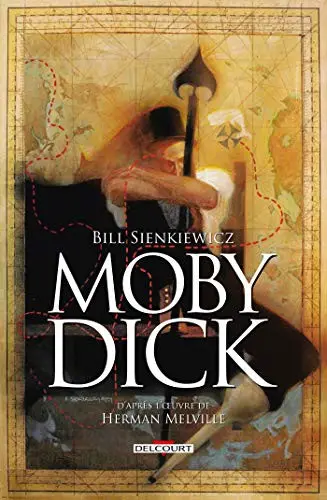
Moby Dick

Book · 1851

InfluenceHIGH

Rather than retelling biblical stories, Moby-Dick uses the Bible as a framework for exploring profound philosophical and spiritual questions. Melville draws on biblical names, symbols, stories, and language to ask whether humans can understand the meaning of suffering, confront evil, or challenge the divine order. The novel ultimately suggests that some mysteries—like God, nature, and the whale itself—remain beyond human comprehension.

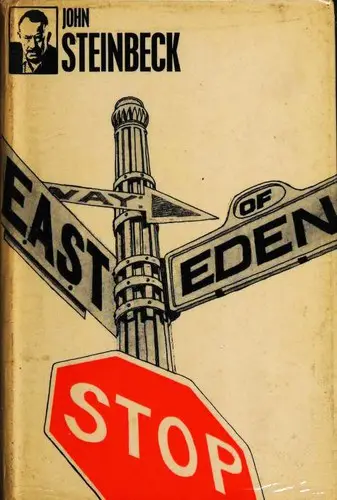
East of Eden

Book · 1952

InfluenceHIGH

John Steinbeck explicitly based East of Eden on the biblical Book of Genesis, specifically the narrative of Adam and Eve, their sons Cain and Abel, and the fall of humankind. The novel reimagines these biblical stories across generations of two families (the Trasks and the Hamiltons) in California's Salinas Valley.

The Lord of the Rings

Book · 1954

InfluenceMEDIUM

In the foreword to the second edition of The Lord of the Rings, Tolkien wrote: "The Lord of the Rings is of course a fundamentally religious and Catholic work; unconsciously so at first, but consciously in the revision. Biblical influences:

  • The struggle between good and evil: Like the Bible, the story centers on a moral conflict between good and evil, with evil portrayed as corrupting rather than creative.
  • The Fall: The corrupting power of the One Ring resembles the biblical idea of temptation and humanity's fall into sin.
  • Humility over power: Ordinary, humble hobbits succeed where the mighty often fail, echoing biblical themes that God works through the lowly.
  • Providence: Characters frequently speak of events being "meant" to happen, suggesting a guiding providence similar to divine providence in Christianity.
  • Mercy and forgiveness: Bilbo's and Frodo's mercy toward Gollum ultimately proves crucial, reflecting biblical teachings on mercy and grace.
  • Sacrifice and resurrection: Gandalf dies confronting the Balrog and returns transformed as Gandalf the White, a scene often compared to resurrection, though Tolkien denied Gandalf was simply a Christ figure.
Frankenstein

Book · 1818

InfluenceMEDIUM

Mary Shelley's Frankenstein draws heavily on the Bible, especially the Book of Genesis. Victor Frankenstein assumes the role of a creator by bringing life into existence, echoing God's creation of Adam, but unlike God he immediately abandons his creation. This contrast highlights the novel's central question of a creator's responsibility toward what they create. The story also echoes the Fall of Man, as Victor's pursuit of forbidden knowledge brings suffering rather than enlightenment, much like Adam and Eve's disobedience. Themes of creation, free will, exile, sin, and the moral consequences of overstepping human limits all derive from biblical narratives.

The Handmaid's Tale

Book · 1985

InfluenceMEDIUM
  • Draws on biblical stories, especially the Book of Genesis story of Rachel, Leah, and their handmaids, which inspired the role of the Handmaids in Gilead.
  • Uses biblical language, rituals, and quotations to show how religious texts can be interpreted and manipulated to justify political power.
  • Reimagines themes of fertility, patriarchy, obedience, and control from the Bible within a dystopian society.
  • Critiques the use of selective religious interpretation by showing how scripture can be weaponized to restrict women’s rights and autonomy.
Lightbringer

Book · 2010

InfluenceMEDIUM

The series is deeply influenced by Christian theology, although it is not a direct allegory. Themes include: -Sacrifice and redemption -Sin and forgiveness -Faith versus doubt -Prophecy -The nature of God and free will -Light as both a physical and spiritual symbol

Ubik

Book · 1969

InfluenceMEDIUM

Inspired themes of resurrection, salvation, and an omnipresent force, with Ubik itself functioning as a mysterious, life-preserving power that resembles divine intervention.

Dark

TV Series · 2017

InfluenceMEDIUM

Recurring motifs include:

  • Adam and Eve.
  • Paradise.
  • Original sin.
  • Revelation.
  • Apocalypse.

Even character names like Adam and Noah are deliberate.

About the work

Bible (Holy Bible)

It is cataloged into two primary collections: the Old and New Testaments, and spans diverse literary genres: history, poetry, legal codes, and personal correspondence. This highly cross-referenced archive functions as a deeply interconnected text, holding the global record as the most widely translated, published, and circulated work in human history.