Film· 1999· Science Fiction

Bicentennial Man

by Chris Columbus

Bicentennial Man: it draws on 2 recorded sources.

Open on the map

What influenced Bicentennial Man

The works this one is recorded as drawing on.

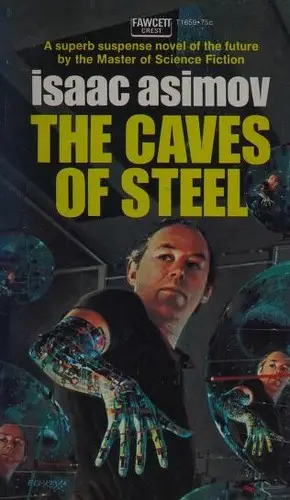
Robot

Book · 1950

AdaptationHIGH

A title census could never find this one, which is why it is proposed by hand: neither title contains the other and the film is nonetheless made directly from Asimov. It adapts the 1976 novella The Bicentennial Man together with The Positronic Man, the novel-length expansion Asimov wrote with Robert Silverberg. Andrew is a household robot who over two centuries buys his freedom, commissions a human body, and finally accepts mortality in exchange for being recognised as a man. The Three Laws are load-bearing rather than decorative: the story is about a machine that obeys them and still becomes a person, which is the argument the whole Robot sequence is making. Aimed at the series, with the two source stories named here.
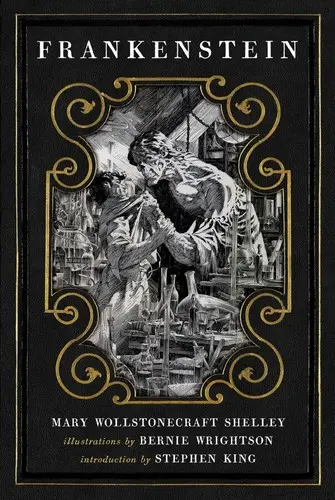
Frankenstein

Book · 1818

InfluenceMEDIUM

The positive answer to Shelley, and Asimov wrote it deliberately as one. He coined the term Frankenstein complex for the assumption that a made being must destroy its maker, and Andrew is that assumption refused: a manufactured person who wants recognition rather than revenge, and who gets it by choosing to die. The debt is legible because the inversion is exact. Shelley's creature is denied a place among people and becomes a murderer; Andrew is denied the same place and spends two hundred years petitioning for it. Filed MEDIUM: the tradition Shelley founded, reaching the film through Asimov.

About the work

Bicentennial Man

A household robot turns out to be capable of woodcarving, then of preference, then of wanting things, and spends two hundred years buying his freedom, replacing his parts with organic ones, and petitioning to be declared human. The one Asimov adaptation that keeps his actual question about what a person is.