Book· 1818· Horror

Frankenstein

by Mary Shelley

Frankenstein: 8 recorded works trace back to it, and it draws on 2 recorded sources.

Open on the map

What Frankenstein influenced

Works that record this one as a source, with the evidence a contributor gave.

  • A physically disfigured outcast is rejected by society because of his appearance.
  • The central "monster" is portrayed as intelligent, articulate, and capable of deep emotion rather than inherently evil.
  • Society's rejection contributes to the character's descent into violence.
  • Explores the tension between outward monstrosity and inner humanity.
  • Invites readers to sympathize with the antagonist despite his crimes.
  • Questions whether monstrosity is innate or created by social exclusion.
  • Blends Gothic horror with psychological tragedy.
  • The "monster" longs for love, acceptance, and companionship but believes these are unattainable.
  • Challenges readers to reconsider who the true monster is—the outcast or the society that rejects him.
Do Androids Dream of Electric Sheep?

Book · 1968

InfluenceHIGH
  • Questions what defines a human being through the existence of artificial life.
  • Explores the moral responsibility humans have toward the beings they create.
  • Artificial beings seek identity, purpose, and acceptance.
  • Blurs the boundary between creator and creation.
  • Examines society's fear and rejection of artificial beings.
  • Challenges whether humanity is defined by biology, intelligence, or empathy.
  • Uses speculative science to explore ethical and philosophical questions.
  • Depicts artificial life as more emotionally complex than its creators initially assume.
  • Warns of the moral consequences of treating created beings as disposable.
  • Reframes Shelley's "playing God" theme through advanced robotics and artificial intelligence.
  • Scientist attempts to transcend natural limits by creating or remaking life.
  • Explores the ethical consequences of unchecked scientific ambition.
  • The creator neglects responsibility for the suffering caused by their experiments.
  • Artificially created beings struggle with identity, isolation, and their place in the world.
  • Questions what defines humanity and the boundary between human and non-human.
  • Science is portrayed as morally neutral, with danger arising from its misuse.
  • Gothic horror is blended with speculative science.
  • Both protagonists encounter the catastrophic consequences of a scientist "playing God."
Jurassic Park

Book · 1990

InfluenceMEDIUM
  • Scientists create life by using technology beyond accepted natural limits.
  • Explores the consequences of humanity attempting to control creation.
  • Warns against scientific progress pursued without ethical restraint.
  • The creators underestimate the autonomy and unpredictability of their creations.
  • Scientific hubris leads to disaster.
  • Questions whether humans should do something simply because they can.
  • The creator loses control of the very life they brought into existence.
  • The narrative serves as a cautionary tale about the unintended consequences of innovation.
  • Reframes Shelley's "playing God" theme through modern biotechnology and genetic engineering.
Blade Runner

Film · 1982

InfluenceMEDIUM

The film's climax is Shelley's scene: the made thing confronts the man who made it and asks him for more life, and is refused. Roy Batty finding Tyrell is the creature finding Victor on the ice, with the same demand and the same answer, and both stories give the creature the better argument. Scott and Hampton Fancher have discussed the Promethean frame; the graph already holds Frankenstein pointing at the novel this film adapts, which makes the line worth drawing separately.

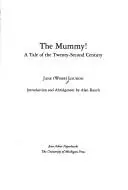
: A Tale of the Twenty-Second Century

Book · 1827

InfluenceMEDIUM

A new 2026 scholarly study by John Lidwell-Durnin notes that The Mummy! was "identified by nearly every reviewer" as having been inspired by Frankenstein. One contemporary review explicitly compared its scenes of terror with those of Frankenstein. https://www.cambridge.org/core/journals/british-journal-for-the-history-of-science/article/prognosis-and-scientific-imagination-in-the-work-of-jane-webb-loudon-18001858/3DE40B3A7E95A2DCB73F5BF894C026EE?utm_source=chatgpt.com

What influenced Frankenstein

The works this one is recorded as drawing on.

Paradise Lost

Poetry · 1667

InfluenceMEDIUM

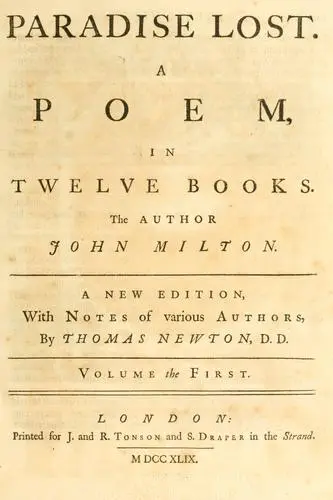
John Milton's Paradise Lost provides the novel's most important literary framework for interpreting the Creature's identity. After reading the poem, the Creature compares himself first to Adam, believing he should have been loved by his creator, and then to Satan, feeling rejected and driven toward revenge. Victor resembles God as the creator but fails in the care and guidance expected of a creator, while the Creature's transformation from innocence to bitterness parallels Satan's fall from grace. By adapting Milton's retelling of biblical creation and rebellion, Shelley deepens her exploration of isolation, injustice, and the consequences of neglected responsibility.

Bible Holy Bible

Scripture · 400

InfluenceMEDIUM

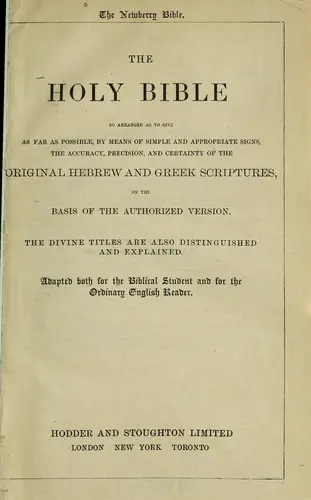
Mary Shelley's Frankenstein draws heavily on the Bible, especially the Book of Genesis. Victor Frankenstein assumes the role of a creator by bringing life into existence, echoing God's creation of Adam, but unlike God he immediately abandons his creation. This contrast highlights the novel's central question of a creator's responsibility toward what they create. The story also echoes the Fall of Man, as Victor's pursuit of forbidden knowledge brings suffering rather than enlightenment, much like Adam and Eve's disobedience. Themes of creation, free will, exile, sin, and the moral consequences of overstepping human limits all derive from biblical narratives.
About the work

Frankenstein

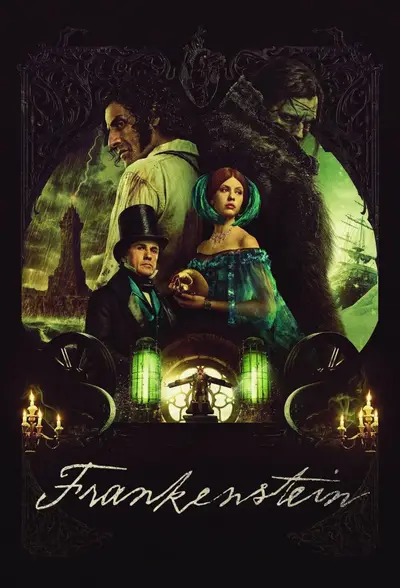
Frankenstein tells the story of Victor Frankenstein, a young scientist who creates a sapient creature in an unorthodox scientific experiment. Shelley started writing the story when she was 18, and the first edition was published anonymously in London on 1 January 1818, when she was 20. Her name first appeared in the second edition, which was published in Paris in 1821.