Book· 1968· Science Fiction

Do Androids Dream of Electric Sheep?

by Philip K. Dick

Do Androids Dream of Electric Sheep?: 2 recorded works trace back to it, and it draws on 2 recorded sources.

Open on the map

What Do Androids Dream of Electric Sheep? influenced

Works that record this one as a source, with the evidence a contributor gave.

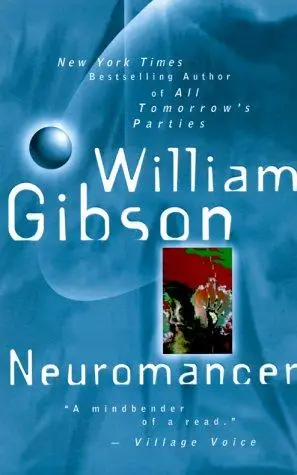
The Sprawl Trilogy

Book · 1984

InfluenceMEDIUM
  • Foundational influence: Philip K. Dick's Do Androids Dream of Electric Sheep? helped establish science fiction as a vehicle for exploring identity, consciousness, and the nature of reality, influencing the intellectual foundation of Neuromancer.
  • Thematic influence: Both works examine what defines humanity, the relationship between humans and artificial intelligence, and the reliability of perception, though Neuromancer explores these ideas through cyberspace and AI rather than androids.
  • Genre influence: Dick's psychologically and philosophically driven science fiction was an important precursor to cyberpunk, providing themes that Gibson expanded into a new genre centered on computers, networks, and corporate power.

Blade Runner

Film · 1982

AdaptationMEDIUM

Loose adaptation but it retains the core elements of Dick's novel:

  • Rick Deckard as the protagonist.
  • Androids (renamed "replicants") hunted by bounty hunters ("blade runners").
  • Roy Batty (Roy Baty in the novel) as the principal antagonist.
  • Questions about humanity, identity, and artificial life.

What influenced Do Androids Dream of Electric Sheep?

The works this one is recorded as drawing on.

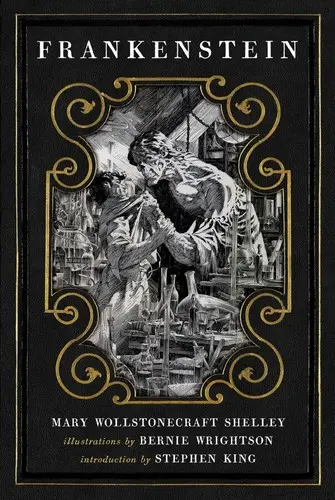
Frankenstein

Book · 1818

InfluenceHIGH
  • Questions what defines a human being through the existence of artificial life.
  • Explores the moral responsibility humans have toward the beings they create.
  • Artificial beings seek identity, purpose, and acceptance.
  • Blurs the boundary between creator and creation.
  • Examines society's fear and rejection of artificial beings.
  • Challenges whether humanity is defined by biology, intelligence, or empathy.
  • Uses speculative science to explore ethical and philosophical questions.
  • Depicts artificial life as more emotionally complex than its creators initially assume.
  • Warns of the moral consequences of treating created beings as disposable.
  • Reframes Shelley's "playing God" theme through advanced robotics and artificial intelligence.

About the work

Do Androids Dream of Electric Sheep?

It was January 2021, and Rick Deckard had a license to kill. Somewhere among the hordes of humans out there, lurked several rogue androids. Deckard's assignment--find them and then..."retire" them. Trouble was, the androids all looked exactly like humans, and they didn't want to be found!