Book· 2013· Literary

فرانكشتاين في بغداد (Frankenstein in Baghdad)

by أحمد سعداوي Ahmed Saadawi

فرانكشتاين في بغداد (Frankenstein in Baghdad): it draws on 1 recorded source.

Open on the map

What influenced فرانكشتاين في بغداد (Frankenstein in Baghdad)

The works this one is recorded as drawing on.

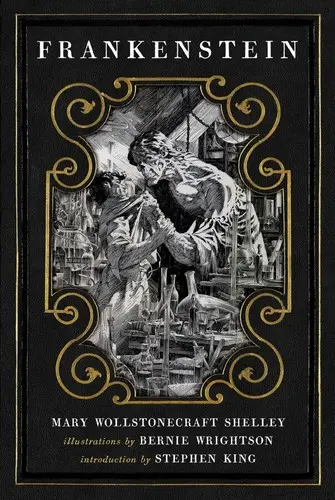
Frankenstein

Book · 1818

InfluenceHIGH

Saadawi's novel names Shelley's in its title and rebuilds it in occupied Baghdad. A junk dealer collects body parts from bomb sites and stitches them into one corpse so that the pieces can be buried whole; the thing gets up and begins killing. The transposition sharpens the original's question. Shelley's creature is abandoned by one man; Saadawi's is assembled from victims of many different attacks, so when it takes revenge on behalf of its parts it runs out of legitimate targets and starts killing to replace its own decaying limbs. The monster made by violence becomes the engine of more.

About the work

فرانكشتاين في بغداد (Frankenstein in Baghdad)

From the rubble-strewn streets of U.S.-occupied Baghdad, Hadi--a scavenger and an oddball fixture at a local café--collects human body parts and stitches them together to create a corpse. His goal, he claims, is for the government to recognize the parts as people and to give them proper burial. But when the corpse goes missing, a wave of eerie murders sweeps the city, and reports stream in of a horrendous-looking criminal who, though shot, cannot be killed. Hadi soon realizes he's created a monster, one that needs human flesh to survive--first from the guilty, and then from anyone in its path. A prizewinning novel by "Baghdad's new literary star" (The New York Times), Frankenstein in Baghdad captures with white-knuckle horror and black humor the surreal reality of contemporary Iraq. The novel was translated into English by Jonathan Wright. The novel is a wartime spin on Mary Shelley's 1818 novel Frankenstein; or, The Modern Prometheus. The novel has won several awards - it won the IPAF award for 2014, making Saadawi the first Iraqi writer to win the prize, and the 2017 Grand Prix de l'Imaginaire.