Short Story· 1812· Fantasy

Grimms Märchen (Grimms' fairy tales)

by Jacob Grimm, Wilhelm Grimm

Grimms Märchen (Grimms' fairy tales): 6 recorded works trace back to it.

Open on the map

What Grimms Märchen (Grimms' fairy tales) influenced

Works that record this one as a source, with the evidence a contributor gave.

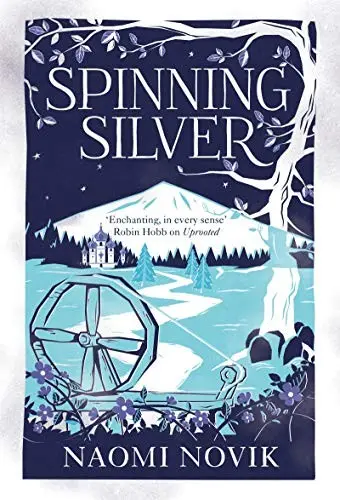
Spinning Silver

Book · 2018

Reaction againstHIGH

Spinning Silver is Rumpelstiltskin argued with, and Rumpelstiltskin is tale 55 in the Grimms' collection. That is the text Naomi Novik is working from: a miller's daughter whose father's boast puts her in a locked room, and a small malevolent creature who spins straw into gold and then comes to collect. Novik keeps the bargain and changes who can make it. Miryem is a moneylender's daughter who really can turn silver into gold, by being good at her job and by being owed, and when the winter king arrives she negotiates rather than guesses his name. She has written about the antisemitism inside the original: a figure who lends at a price, is owed, and is destroyed for it, and what that figure stood in for in the villages the Grimms collected from. Her Miryem is Jewish, her family are the village's lenders, and the hostility they meet is the tale's own subtext made explicit. Recorded as a reaction rather than an influence because the book is a rebuttal of its source and not a retelling of it. The Staryk, the winter king who comes down the frozen road, is Slavic and Baltic rather than Grimm, which is why the real-world folklore edge stays where it is.
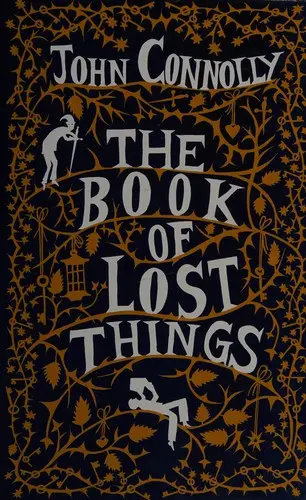
The book of lost things

Book · 2007

InfluenceHIGH

Connolly's novel is built out of Grimm tales retold as they would be if they meant it. A boy whose mother has died walks into a wood and finds himself inside the stories she read to him, and the stories do not behave. Named and reworked inside it: Little Red Riding Hood, whose encounter with the wolf has consequences the tale does not record and produces the Loups; Snow White, whose dwarfs are unionised and resentful; Hansel and Gretel; and Rumpelstiltskin, who becomes the Crooked Man and the book's antagonist. Connolly appended his own versions of the source tales to the novel, which is about as explicit as a writer gets about where a book came from.

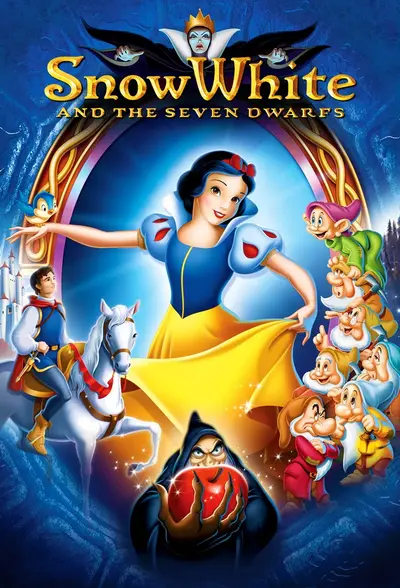
Snow White and the Seven Dwarfs

Animation · 1937

AdaptationHIGH

Disney's first feature adapts Schneewittchen from the Grimms' collection: the queen at the mirror, the huntsman who cannot do it, the household of seven miners, the poisoned apple and the glass coffin. The softening is systematic and worth naming, because it set the pattern for every Disney fairy tale after it. The Grimms' queen is made to dance to death in red-hot iron shoes; the film sends her off a cliff. The dwarfs are unnamed in the tale and are given names, faces and a comic register here, which is what turned a short tale into ninety minutes.

Spinning Silver

Book · 2018

InfluenceHIGH

Naomi Novik's Spinning Silver grew from a retelling of Rumpelstiltskin, the Grimms' tale of a miller's daughter who boasts she can spin straw into gold. Novik turns it round: her heroine, a moneylender's daughter, turns silver into gold, and the bargain is struck with a king of winter.

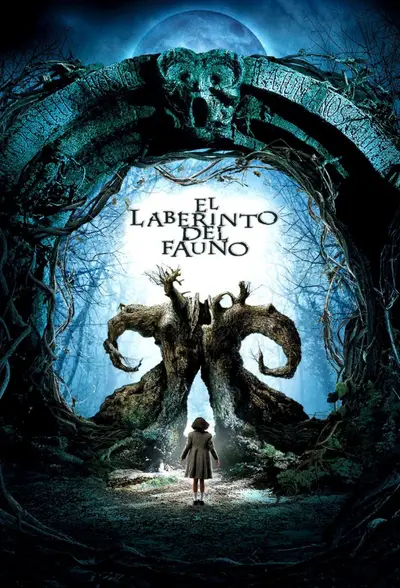
El laberinto del fauno Pan's Labyrinth

Film · 2006

InfluenceMEDIUM

Del Toro has talked about the Grimms for his whole career, and specifically about wanting the pre-sanitised version: tales in which children are abandoned on purpose, the punishments are physical, and obedience is not rewarded. The film is built on that reading. Ofelia is given three tasks by a creature whose trustworthiness is never settled, the rule she breaks is the fairy-tale rule about eating at the wrong table, and the consequence is immediate and not undone. The underworld is offered as real and as possibly a child's way of surviving a fascist stepfather, and the film refuses to say which. Filed MEDIUM: the debt is to the tradition and its cruelty rather than to a particular tale, and the Spanish material is doing as much work.

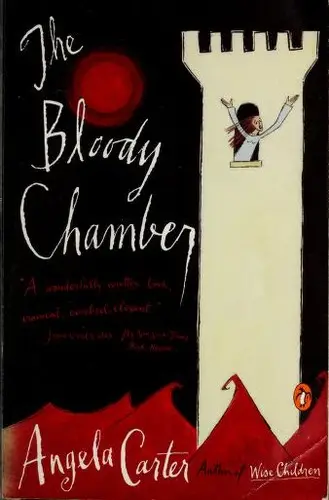
The Bloody Chamber and Other Stories

Short Story · 1979

InfluenceMEDIUM

Three of the collection's stories rework Little Red Riding Hood, which the Grimms printed as Rotkappchen and which is the version with the huntsman and the rescue. Carter takes the tale apart across The Werewolf, The Company of Wolves and Wolf-Alice, and removes the rescue every time: the girl deals with the wolf herself, or joins him. The Grimms had already softened a bloodier oral tale into a warning for children, and Carter's move is to put back what the softening removed, which is why the debt is to this printed version specifically rather than to folklore in general.

About the work

Grimms Märchen (Grimms' fairy tales)

Tales collected from German storytellers and printed as scholarship rather than for children: forests, absent mothers, hunger, and punishments carried out in full. The brothers softened them edition by edition once they realised who was actually reading them.