Short Story· 1979· Fantasy

The Bloody Chamber and Other Stories

by Angela Carter

The Bloody Chamber and Other Stories: it draws on 3 recorded sources.

Open on the map

What influenced The Bloody Chamber and Other Stories

The works this one is recorded as drawing on.

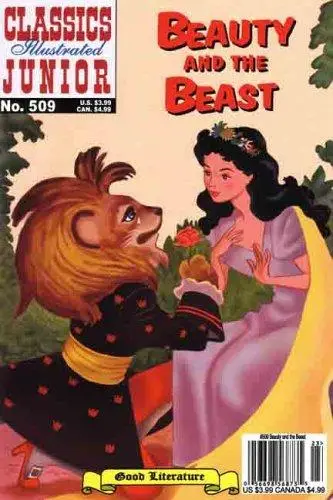
Two of the ten stories in the collection are Beauty and the Beast, rewritten twice over and deliberately given opposite endings. The Courtship of Mr Lyon keeps Beaumont's resolution, in which the Beast becomes a man; The Tiger's Bride refuses it, and the girl sheds her own skin to become an animal instead. Carter translated Perrault and worked on fairy tales all her life, and the method of the book is to take a known tale and ask what its bargain actually is. Beaumont's version is a lesson about looking past appearances and about a daughter's duty to her father; Carter reads the same plot as a transaction in which a woman is handed over to settle a man's debt, which is what the original says if you do not soften it.
Grimms Märchen Grimms' fairy tales

Short Story · 1812

InfluenceMEDIUM

Three of the collection's stories rework Little Red Riding Hood, which the Grimms printed as Rotkappchen and which is the version with the huntsman and the rescue. Carter takes the tale apart across The Werewolf, The Company of Wolves and Wolf-Alice, and removes the rescue every time: the girl deals with the wolf herself, or joins him. The Grimms had already softened a bloodier oral tale into a warning for children, and Carter's move is to put back what the softening removed, which is why the debt is to this printed version specifically rather than to folklore in general.

About the work

The Bloody Chamber and Other Stories

The Bloody Chamber—which includes the story that is the basis of Neil Jordan’s 1984 movie The Company of Wolves—she spins subversively dark and sensual versions of familiar fairy tales and legends like “Little Red Riding Hood,” “Bluebeard,” “Puss in Boots,” and “Beauty and the Beast,” giving them exhilarating new life in a style steeped in the romantic trappings of the gothic tradition. The stories are all based on fairytales or folk tales. However, Carter stated: My intention was not to do 'versions' or, as the American edition of the book said, horribly, 'adult' fairy tales, but to extract the latent content from the traditional stories.