Scripture· -800· Philosophy

易經 (I Ching)

by 伏羲 Fuxi

易經 (I Ching): 1 recorded work traces back to it.

Open on the map

What 易經 (I Ching) influenced

Works that record this one as a source, with the evidence a contributor gave.

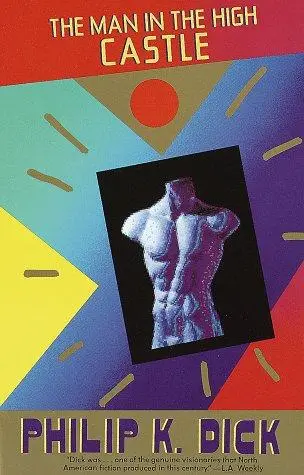
The Man in the High Castle

Book · 1962

InfluenceHIGH

The I Ching is used inside the novel. Several characters, Tagomi, Frank Frink and Juliana among them, consult the oracle to decide what to do, and the hexagrams they cast are quoted. Hawthorne Abendsen, the author of the novel-within-the-novel, turns out to have written it with the oracle's help, and the book ends on the hexagram Inner Truth. Dick said in interviews that he consulted the I Ching himself while writing it.

About the work

易經 (I Ching)

The I Ching or Yijing, usually translated as the Book of Changes or Classic of Changes, is an ancient Chinese divination text that is among the oldest of the Chinese classics. The I Ching was originally a divination manual in the Western Zhou period (1000–750 BC). Over the course of the Warring States and early imperial periods (500–200 BC), it transformed into a cosmological text with a series of philosophical commentaries known as the Ten Wings. After becoming part of the Chinese Five Classics in the 2nd century BC, the I Ching was the basis for divination practice for centuries across the Far East and was the subject of scholarly commentary. Between the 18th and 20th centuries, it took on an influential role in Western understanding of East Asian philosophical thought.