Book· 1969· Nonfiction

I Know Why the Caged Bird Sings

by Maya Angelou

I Know Why the Caged Bird Sings: it draws on 1 recorded source.

Open on the map

What influenced I Know Why the Caged Bird Sings

The works this one is recorded as drawing on.

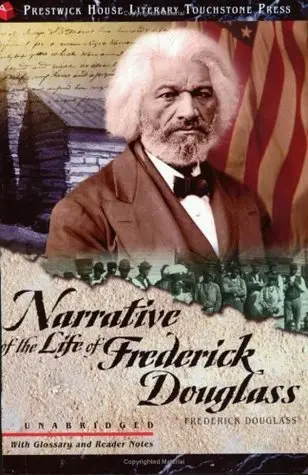
Angelou's book belongs to the line Douglass opened and extends it to a Black girl's childhood, which the nineteenth century tradition largely had no room for. What carries over is the method: the abuses are narrated in plain detail and left to make their own case, and the redemptive turn is again literature. Angelou is brought out of years of elective mutism by being made to read poetry aloud, which is the literacy scene doing the same structural work it does in Douglass. The title comes from Dunbar, and the debt to Douglass is formal rather than quoted.

About the work

I Know Why the Caged Bird Sings

I Know Why the Caged Bird Sings is a 1969 autobiography describing the young and early years of American writer and poet Maya Angelou. The first in a seven-volume series, it is a coming-of-age story that illustrates how strength of character and a love of literature helped her to overcome racism and trauma. The book begins when three-year-old Maya and her older brother are sent to Stamps, Arkansas, to live with their grandmother and ends when Maya becomes a mother at the age of 16. In the course of Caged Bird, Maya transforms from a victim of racism with an inferiority complex into a self-possessed, dignified young woman capable of responding to prejudice.