Nonfiction· 1845· Nonfiction

Narrative of the Life of Frederick Douglass, an American Slave

by Frederick Douglass

Narrative of the Life of Frederick Douglass, an American Slave: 3 recorded works trace back to it.

Open on the map

What Narrative of the Life of Frederick Douglass, an American Slave influenced

Works that record this one as a source, with the evidence a contributor gave.

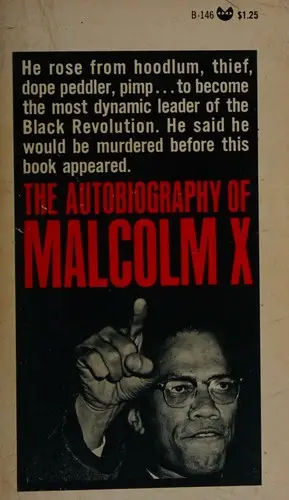
The Autobiography of Malcolm X

Book · 1965

InfluenceMEDIUM

Both books are conversion narratives in the slave-narrative tradition: a man who has been made into something by a system describes the making, then describes the moment he stopped accepting it, and the second half is written by a different person from the first. The literacy scene is the shared hinge. Douglass teaches himself to read in defiance of a master who says it will ruin him; Malcolm X copies out a dictionary word by word in prison. Both present reading as the act that made political thought possible, and both were written as arguments rather than as memoirs.
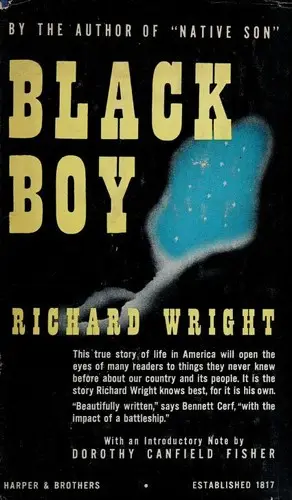
Black Boy

Book · 1945

InfluenceMEDIUM

Douglass's Narrative set the shape of the African American autobiography a century before Wright used it: a childhood under a system that is described precisely rather than denounced, a turning point that is an act of literacy, and a departure north that the book treats as a birth. Wright's book is the same arc moved from slavery to Jim Crow Mississippi. The moment that changes everything is again reading, obtained by deception because a Black man is not meant to borrow library books, and the ending is again a journey north that is not presented as a solution.

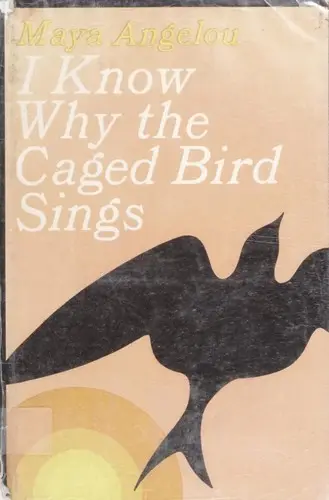
I Know Why the Caged Bird Sings

Book · 1969

InfluenceMEDIUM

Angelou's book belongs to the line Douglass opened and extends it to a Black girl's childhood, which the nineteenth century tradition largely had no room for. What carries over is the method: the abuses are narrated in plain detail and left to make their own case, and the redemptive turn is again literature. Angelou is brought out of years of elective mutism by being made to read poetry aloud, which is the literacy scene doing the same structural work it does in Douglass. The title comes from Dunbar, and the debt to Douglass is formal rather than quoted.

About the work

Narrative of the Life of Frederick Douglass, an American Slave

Douglass wrote it at twenty-seven, while still legally the property of a man who could have reclaimed him, partly because audiences did not believe a formerly enslaved man could speak as he did. The most influential slave narrative ever written and the model for the form; Morrison's Beloved and the whole neo-slave narrative answer it.