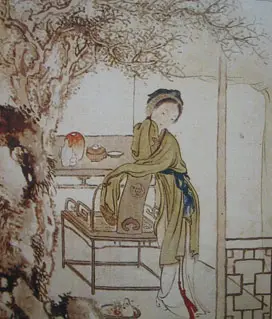
Book· 1610· Literary

金瓶梅 (Jin Ping Mei)

by 兰陵笑笑生 Lanling Xiaoxiao Sheng

金瓶梅 (Jin Ping Mei): 1 recorded work traces back to it, and it draws on 1 recorded source.

Open on the map

What 金瓶梅 (Jin Ping Mei) influenced

Works that record this one as a source, with the evidence a contributor gave.

紅樓夢 Dream of the Red Chamber

Book · 1792

InfluenceHIGH

Jin Ping Mei made the household the subject of the Chinese novel, and Dream of the Red Chamber is what that opening produced. Before it the form was heroes, outlaws and gods; after it a novel could be about one large family's rooms, servants, money and decline. The specific inheritance is the structure: a wealthy compound observed over years, a large cast of women whose rivalries are the plot, ritual and festival described at length, and an ending in which the house falls. Cao Xueqin's novel is far less explicit and far more lyrical, and it is usually read as answering its predecessor rather than repeating it, which is what makes the debt visible.
What influenced 金瓶梅 (Jin Ping Mei)

The works this one is recorded as drawing on.

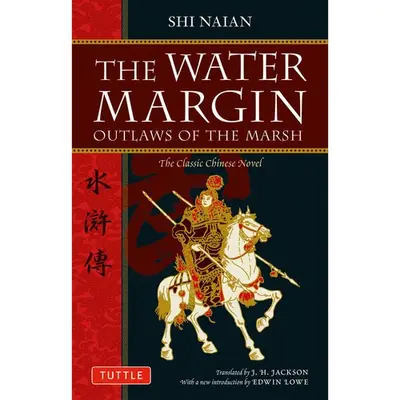
Jin Ping Mei begins by lifting an episode out of Water Margin and refusing to end it. In the earlier novel, Ximen Qing and Pan Jinlian poison her husband, Wu Song kills them both, and the outlaw story moves on within a few chapters. Jin Ping Mei takes the same characters at the same moment and lets them live instead, then spends a hundred chapters inside Ximen Qing's household: his wives, his money, his officials and his decline. It is the first major Chinese novel about domestic life rather than about heroes, and it is built by opening a door the source closed.

About the work

金瓶梅 (Jin Ping Mei)

The novel circulated in manuscript as early as 1596, and may have undergone revision up to its first printed edition in 1610. The most widely read recension, edited and published with commentaries by Zhang Zhupo in 1695, deleted or rewrote passages to help understand the author's intentions.