Book· 1937· Literary

駱駝祥子 (Rickshaw Boy)

by 老舍 Lao She

駱駝祥子 (Rickshaw Boy): it draws on 1 recorded source.

Open on the map

What influenced 駱駝祥子 (Rickshaw Boy)

The works this one is recorded as drawing on.

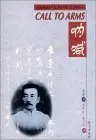
吶喊 Call to Arms

Short Story · 1922

InfluenceHIGH

Call to Arms is the founding collection of modern Chinese vernacular fiction: A Madman's Diary was the first short story written in the everyday language rather than in classical Chinese, and The True Story of Ah Q is the most read piece of Chinese fiction of its century. What Lu Xun established, and what Lao She then worked inside, was a form for writing about ordinary urban poverty without either sentimentality or the classical register: the protagonist who is not admirable, whose defeat is social rather than tragic, and whose self-deception is the writer's real subject. Rickshaw Boy is that method applied at novel length to a Beijing puller. Lao She acknowledged the debt to Lu Xun repeatedly, including in the memorial essays he wrote after his death.

About the work

駱駝祥子 (Rickshaw Boy)

First published in China in 1937, Rickshaw Boy is the story of Xiangzi, an honest and serious country boy who works as a rickshaw puller in Beijing. A man of simple needs whose greatest ambition is to one day own his own rickshaw, Xiangzi is nonetheless thwarted, time and again, in his attempts to improve his lot in life. One of the most important and popular works of twentieth-century Chinese literature, Rickshaw Boy is an unflinchingly honest, darkly comic look at a life on the margins of society and a searing indictment of the philosophy of individualism.