Book· 1965· Nonfiction

The Autobiography of Malcolm X

by Malcolm X, Alex Haley

The Autobiography of Malcolm X: it draws on 1 recorded source.

Open on the map

What influenced The Autobiography of Malcolm X

The works this one is recorded as drawing on.

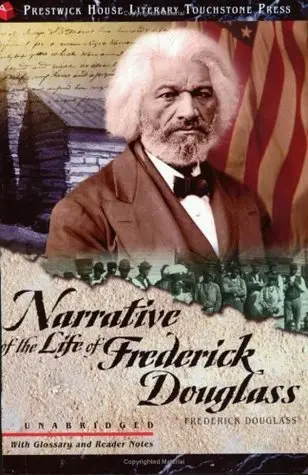
Both books are conversion narratives in the slave-narrative tradition: a man who has been made into something by a system describes the making, then describes the moment he stopped accepting it, and the second half is written by a different person from the first. The literacy scene is the shared hinge. Douglass teaches himself to read in defiance of a master who says it will ruin him; Malcolm X copies out a dictionary word by word in prison. Both present reading as the act that made political thought possible, and both were written as arguments rather than as memoirs.

About the work

The Autobiography of Malcolm X

Haley coauthored the book based on a series of in-depth interviews he conducted between 1963 and 1965. The Autobiography is a religious conversion narrative which outlines Malcolm X's philosophy of Black pride, Black nationalism, and pan-Africanism. After Malcolm X was killed, Haley wrote the book's epilogue, which describes their collaborative process and the events at the end of Malcolm's life.