Book· 1903· Adventure

The Call of the Wild

by Jack London

The Call of the Wild: 1 recorded work traces back to it, and it draws on 2 recorded sources.

Open on the map

What The Call of the Wild influenced

Works that record this one as a source, with the evidence a contributor gave.

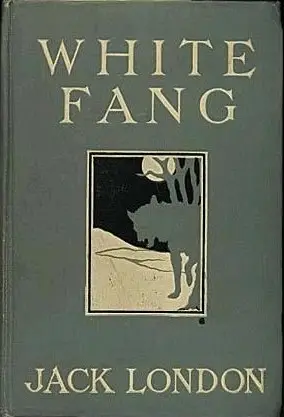
White Fang

Book · 1906

InfluenceHIGH

London said it himself. He described White Fang as a companion piece to The Call of the Wild and set out to write its exact opposite: where Buck is a domesticated dog who reverts to the wild, White Fang is a wild wolfdog brought into domestication. The mirroring is deliberate all the way down. Both books move a canine protagonist across the same Klondike, by the same method of showing thought without granting speech, and each ends where the other began. Not filed same_universe: there are no shared characters and no continuity, just one author answering his own book.
What influenced The Call of the Wild

The works this one is recorded as drawing on.

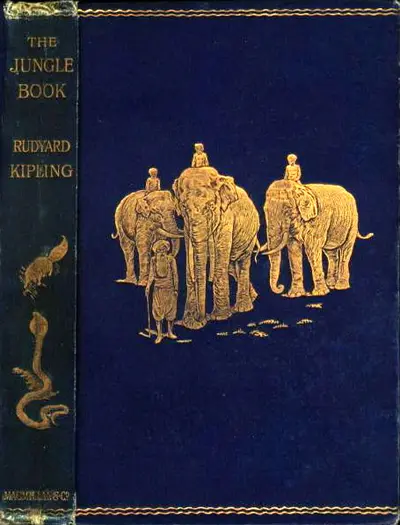
The Jungle Book

Short Story · 1894

InfluenceMEDIUM

London read Kipling closely and defended him in print, and the shape is shared: an animal with a genuine interior life, a pack with laws that are stated and enforced, and a protagonist moving between the human world and the wild one. Kipling's Law of the Jungle becomes London's law of club and fang, which is the same device turned pessimistic. Mowgli's law is a civilising code; Buck's is what remains once the code is stripped away. MEDIUM because London wrote about Kipling's importance in general rather than naming The Jungle Book as a source for this book.

Real-world influences

Events, places, movements and ideas outside fiction that this work is recorded as drawing on.

Nature & Animals

Real world

Real-world influenceHIGH
  • Wolves
  • Dogs
  • The Yukon
  • Wilderness survival

It portrays the brutal, unyielding reality of the Klondike wilderness and a domesticated dog's regression into his raw, primal ancestral instincts.

About the work

The Call of the Wild

The central character of the novel is a dog named Buck. The story opens at a ranch in Santa Clara Valley, California, when Buck is stolen from his home and sold into service as a sled dog in Alaska. He becomes progressively more primitive and wild in the harsh environment, where he is forced to fight to survive and dominate other dogs. By the end, he sheds the veneer of civilization, and relies on primal instinct and learned experience to emerge as a leader in the wild.