Book· 1906· Adventure

White Fang

by Jack London

White Fang: it draws on 2 recorded sources.

Open on the map

What influenced White Fang

The works this one is recorded as drawing on.

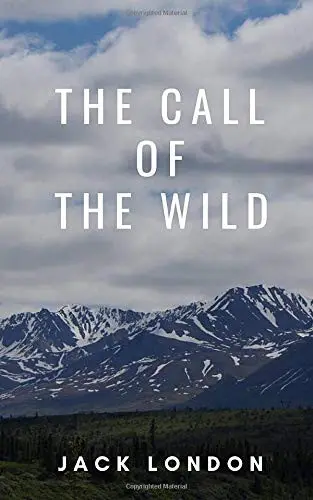
The Call of the Wild

Book · 1903

InfluenceHIGH

London said it himself. He described White Fang as a companion piece to The Call of the Wild and set out to write its exact opposite: where Buck is a domesticated dog who reverts to the wild, White Fang is a wild wolfdog brought into domestication. The mirroring is deliberate all the way down. Both books move a canine protagonist across the same Klondike, by the same method of showing thought without granting speech, and each ends where the other began. Not filed same_universe: there are no shared characters and no continuity, just one author answering his own book.

Real-world influences

Events, places, movements and ideas outside fiction that this work is recorded as drawing on.

Nature & Animals

Real world

Real-world influenceHIGH
  • Wilderness survival
  • Predation
  • Wolves

The harsh, unforgiving frozen Klondike environment shapes White Fang by forcing him to adopt a brutal "kill or be killed" mentality, where the relentless struggle against starvation, freezing temperatures, and apex predators strips away his domestic canine instincts and transforms him into a fierce, calculating survivor.

About the work

White Fang

A wolfdog born wild passes from the Yukon to the men who beat him for sport and finally to one who does not, learning at each stage what people are for. The Call of the Wild run backwards, from wild to tame.