InfluenceHIGH
Frankenstein influenced Le fantôme de l'opéra (The Phantom of the Opera)
Added by · 18 June 2026
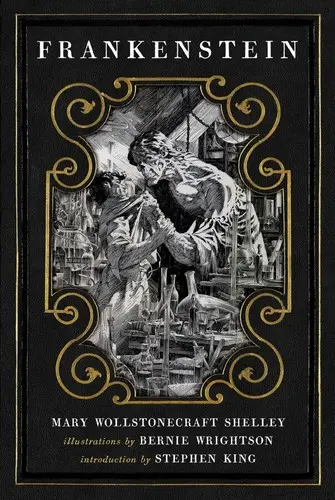
The influence
Frankenstein
Book · 1818
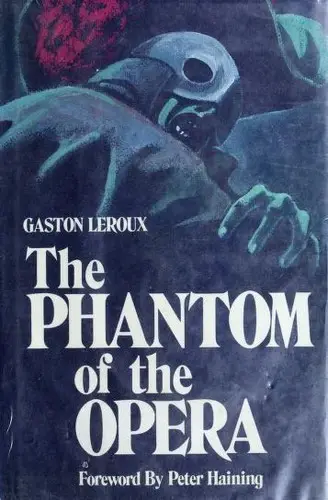
The work it shaped
Le fantôme de l'opéra The Phantom of the Opera
Book · 1911
The evidence
- A physically disfigured outcast is rejected by society because of his appearance.
- The central "monster" is portrayed as intelligent, articulate, and capable of deep emotion rather than inherently evil.
- Society's rejection contributes to the character's descent into violence.
- Explores the tension between outward monstrosity and inner humanity.
- Invites readers to sympathize with the antagonist despite his crimes.
- Questions whether monstrosity is innate or created by social exclusion.
- Blends Gothic horror with psychological tragedy.
- The "monster" longs for love, acceptance, and companionship but believes these are unattainable.
- Challenges readers to reconsider who the true monster is—the outcast or the society that rejects him.
Discussion
Support it, question it, or add a source. Everything here is public and stays with the connection.