
Book· 1911· Drama

Le fantôme de l'opéra (The Phantom of the Opera)

by Gaston Leroux

Le fantôme de l'opéra (The Phantom of the Opera): 1 recorded work traces back to it, and it draws on 2 recorded sources.

Open on the map

What Le fantôme de l'opéra (The Phantom of the Opera) influenced

Works that record this one as a source, with the evidence a contributor gave.

Of Metal and Wishes

Book · 2014

InfluenceHIGH

Sarah Fine has described Of Metal and Wishes as a reimagining of the classic story.

  • Slaughterhouse/factory → Opera house: Fine transforms the original theatrical setting into an industrial slaughterhouse.
  • Ghost/Phantom → Ghost: A mysterious figure inhabits the hidden spaces beneath the factory and secretly watches over Wen.
  • Christine → Wen: The young heroine becomes connected to the mysterious hidden figure.
  • Phantom → Ghost figure: The isolated, disfigured/hidden male figure and his fixation on the heroine are adapted from the Phantom concept.
  • Romantic triangle: Wen's relationship with Melik adds a second romantic relationship that changes the original dynamic.
What influenced Le fantôme de l'opéra (The Phantom of the Opera)

The works this one is recorded as drawing on.

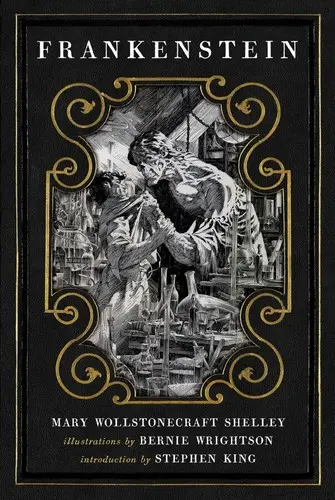
Frankenstein

Book · 1818

InfluenceHIGH
  • A physically disfigured outcast is rejected by society because of his appearance.
  • The central "monster" is portrayed as intelligent, articulate, and capable of deep emotion rather than inherently evil.
  • Society's rejection contributes to the character's descent into violence.
  • Explores the tension between outward monstrosity and inner humanity.
  • Invites readers to sympathize with the antagonist despite his crimes.
  • Questions whether monstrosity is innate or created by social exclusion.
  • Blends Gothic horror with psychological tragedy.
  • The "monster" longs for love, acceptance, and companionship but believes these are unattainable.
  • Challenges readers to reconsider who the true monster is—the outcast or the society that rejects him.

Real-world influences

Events, places, movements and ideas outside fiction that this work is recorded as drawing on.

Culture

Real world

Real-world influenceHIGH
  • The Paris Opera House (Palais Garnier)
  • Leroux was fascinated by the building and its architecture.
  • He incorporated real features (the underground lake, hidden passages) into the novel.
  • He claimed to have investigated the Opera House as a journalist.

About the work

Le fantôme de l'opéra (The Phantom of the Opera)

Christine is brought up by her itinerant musician father, whose death she mourns endlessly. She achieves a singing position in the Paris Opera line, where a mysterious voice teaches her to unleash her musical potential. The voice belongs to Erik, a deformed musical genius who lives in the opera house. As Christine's singing career takes off, her childhood friend Raoul begins to court her, and he and Erik fight jealously for Christine's hand.