BookSeries· 1950· Science Fiction

Robot

by Isaac Asimov

Robot: 2 recorded works trace back to it, and it draws on 1 recorded source.

Open on the map

What Robot influenced

Works that record this one as a source, with the evidence a contributor gave.

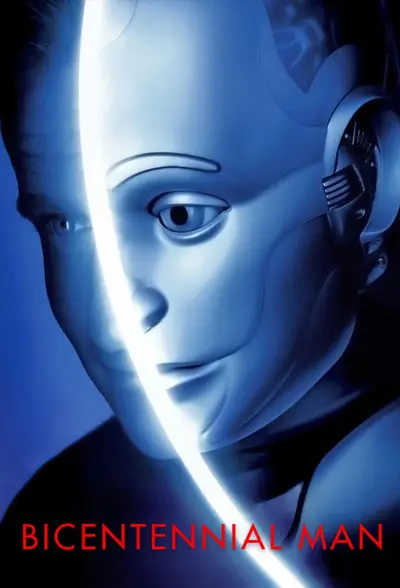
Bicentennial Man

Film · 1999

AdaptationHIGH

A title census could never find this one, which is why it is proposed by hand: neither title contains the other and the film is nonetheless made directly from Asimov. It adapts the 1976 novella The Bicentennial Man together with The Positronic Man, the novel-length expansion Asimov wrote with Robert Silverberg. Andrew is a household robot who over two centuries buys his freedom, commissions a human body, and finally accepts mortality in exchange for being recognised as a man. The Three Laws are load-bearing rather than decorative: the story is about a machine that obeys them and still becomes a person, which is the argument the whole Robot sequence is making. Aimed at the series, with the two source stories named here.
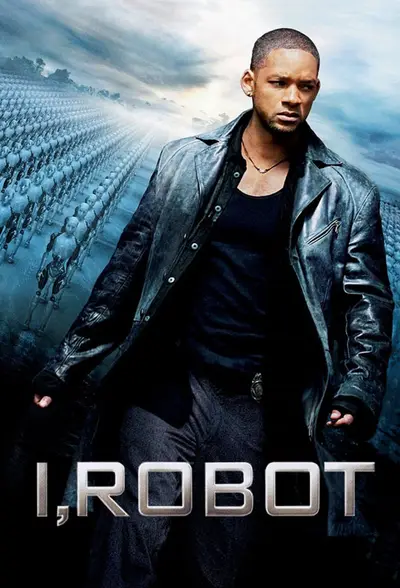
I, Robot

Film · 2004

InfluenceMEDIUM

⚠️ Not an adaptation, and the distinction is documented rather than a judgement call. The screenplay began as Jeff Vintar's original spec script Hardwired, a closed-room murder mystery with no connection to Asimov. Fox later acquired the Asimov rights and had the existing script rewritten to carry them. What was grafted on: the Three Laws, the name Susan Calvin, US Robotics, and the title. What did not come from Asimov: Spooner, the conspiracy, and the action plot that occupies most of the running time. Filed MEDIUM influence for that reason. The Laws genuinely drive the puzzle at the film's centre, which is a real debt and worth a line on the map; calling it an adaptation would say the film tells Asimov's stories, and it does not.

What influenced Robot

The works this one is recorded as drawing on.

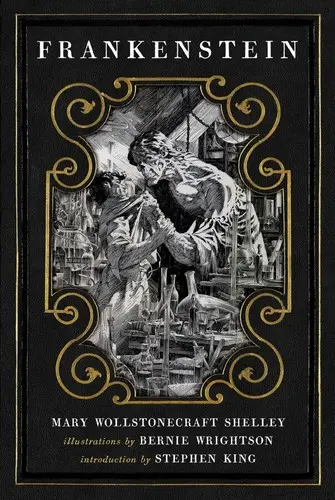
Frankenstein

Book · 1818

Reaction againstHIGH

Asimov coined the term "Frankenstein complex" for the thing he was writing against, and used it for decades: the assumption, which he traced directly to Shelley, that a made intelligence must inevitably turn on its maker. The Three Laws exist to refuse it. A robot may not harm a human, must obey, must protect itself in that order, and the stories then work as puzzles about what follows, rather than as monster stories. Asimov said outright that he was bored of the one plot the field kept telling and built a machine that could not tell it. Filed as a reaction against rather than an influence because the debt is real and the direction is negative: without Shelley's plot there is nothing for the Laws to be an answer to. Aimed at the Robot series, with the Laws first appearing in the 1942 story Runaround and collected in I, Robot.