Animation· 1959· Fantasy

Sleeping Beauty

by Clyde Geronimi, Les Clark, Eric Larson, Wolfgang Reitherman

Sleeping Beauty: 1 recorded work traces back to it, and it draws on 2 recorded sources.

Open on the map

What Sleeping Beauty influenced

Works that record this one as a source, with the evidence a contributor gave.

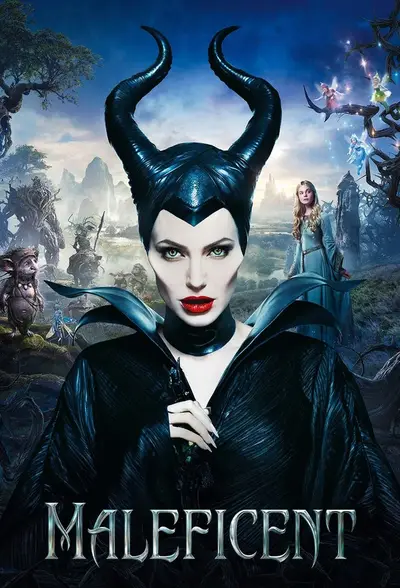
Maleficent

Film · 2014

RemakeHIGH

Maleficent retells Disney's own 1959 film from the antagonist's side, and it is specifically that film rather than the tale: the character does not exist in Perrault, the name is Disney's, and the horned silhouette being reused is Marc Davis's design. The retelling inverts the source at its central points. The curse is given a motive the 1959 film does not supply, the three good fairies become incompetent rather than protective, and the kiss that breaks the spell is not the prince's. It is a reading of the earlier film, which is why it only works if you already know it.
What influenced Sleeping Beauty

The works this one is recorded as drawing on.

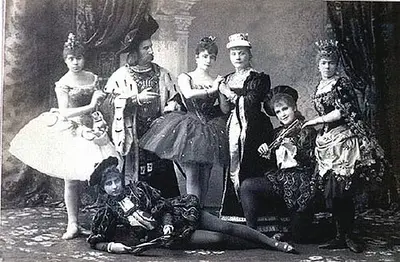
Disney's film is scored from Tchaikovsky's ballet, not merely in its spirit: George Bruns adapted the 1890 music directly, and the songs are set to ballet themes. Once Upon a Dream is the Garland Waltz with lyrics written over it. The borrowing shaped how the film looks as well. It was made in Technirama 70 with flat, angular backgrounds by Eyvind Earle that read as stage design rather than as illustration, which is a deliberate fit to the score. The tale itself is Perrault's; the version Disney put on screen is Tchaikovsky's.

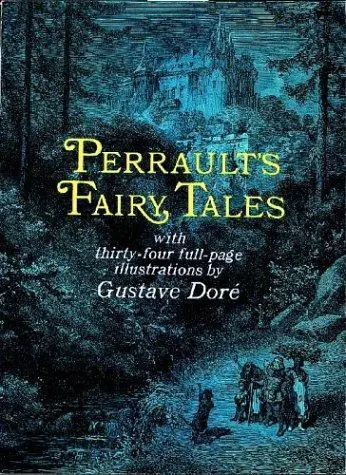
Perrault's La Belle au bois dormant supplies the christening, the slighted fairy, the curse fixed to a spindle and the hundred years of sleep. Disney stops where Perrault's first half stops and drops his second, in which the prince's ogress mother tries to eat the children. The film's score is built on Tchaikovsky's ballet of the same tale rather than on the text.

About the work

Sleeping Beauty

Based on Charles Perrault's 1697 fairy tale, the film follows Princess Aurora, who was cursed by the evil fairy Maleficent to die from pricking her finger on the spindle of a spinning wheel on her 16th birthday; she is rescued by three good fairies, who change the curse so that Aurora falls into a deep sleep and will be awakened by true love's kiss. The production was supervised by Clyde Geronimi, and was directed by Wolfgang Reitherman, Eric Larson, and Les Clark. It features the voices of Mary Costa, Bill Shirley, Eleanor Audley, Verna Felton, Barbara Luddy, Barbara Jo Allen, Taylor Holmes, and Bill Thompson.